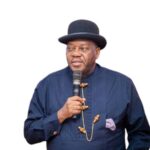


A wave of public outrage has followed a viral video circulating on social media in which Pastor Ayodele Joseph Oritsejafor of the Word of Life Bible Church is alleged to have sold what he described as “anointed mantles” to worshippers for ₦7.5 million each.
In the footage, which has generated intense debate online, the cleric is heard addressing congregants during a church service, announcing that only 90 mantles were available. Social media users claim the pastor linked the purchase of the items to spiritual assurance, warning that failing to obtain them could result in “missing heaven.”
The video has sparked widespread criticism, with many Nigerians describing the alleged act as a troubling example of the commercialisation of faith. According to claims circulating online, dozens of worshippers reportedly stepped forward during the service to purchase the mantles, with estimates suggesting that as many as 90 were sold, potentially generating hundreds of millions of naira.
While these figures have not been independently verified, the allegations have struck a sensitive nerve in a country grappling with rising inflation, economic hardship and declining purchasing power. For many observers, the idea that salvation or spiritual security could be tied—directly or indirectly—to a financial transaction has raised serious ethical and moral concerns.
Critics argue that Christian doctrine does not support the monetisation of salvation, insisting that faith and redemption should not be reduced to material exchange. On social media, commentators described the development as exploitative, accusing religious leaders of taking advantage of fear, hope and spiritual vulnerability.
Particular attention has focused on a statement attributed to the pastor in the video, in which he allegedly said, “Many people will miss God.” To critics, the remark appeared less like a spiritual warning and more like an attempt to induce fear and compel compliance.
As of the time of filing this report, no official statement had been issued by Pastor Oritsejafor or the Word of Life Bible Church in response to the allegations. Calls have continued for greater accountability, transparency and regulation within religious institutions, as the debate over faith, leadership and financial practices intensifies.