
Serious allegations have emerged over a N68 billion provision in the 2026 Lagos State budget, with critics accusing the leadership of the Lagos State House of Assembly of inserting funds for the purchase of residential properties in Abuja for state lawmakers without adequate public scrutiny.
The controversy centers on the N4.44 trillion Lagos State budget for the 2026 fiscal year, which was recently signed into law. Within the approved spending plan is a N68 billion allocation reportedly designated for housing for members of the Lagos State House of Assembly.
According to budget details cited by political observers, the provision is intended to cover the purchase of houses in Abuja for all 40 lawmakers in the Assembly. Based on the figures, each legislator would be entitled to approximately N1.7 billion for a single residential property in the federal capital.
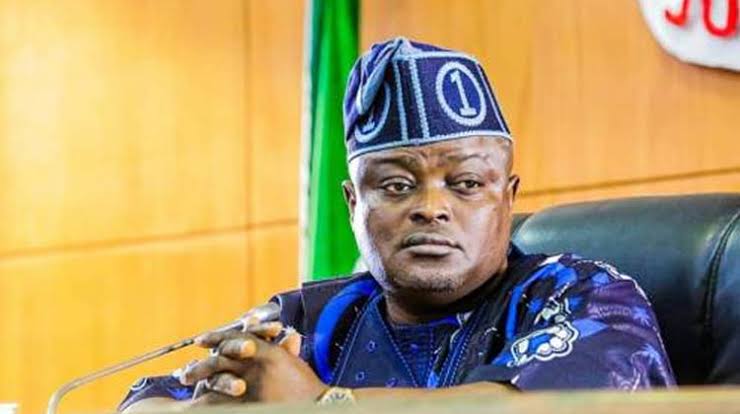
The allocation has been linked to the leadership of the House under Speaker Mudashiru Obasa, who has served in the Assembly for more than 20 years and is one of the most influential figures in Lagos politics. Critics allege that the provision was introduced during internal budget reviews and passed with limited debate.
The decision to fund housing in Abuja using Lagos State resources has generated widespread criticism. Abuja is outside the jurisdiction of Lagos State, and opponents argue that there is no clear justification for using state funds to acquire private residences for lawmakers in another part of the country.
Questions have also been raised about the scale of the allocation. At a time when Lagos faces persistent challenges including housing deficits, traffic congestion, healthcare gaps, and infrastructure decay, critics say the N68 billion provision reflects misplaced priorities by the Assembly leadership.
Governor Babajide Sanwo-Olu signed the 2026 budget into law following its passage by the House of Assembly. Some political analysts claim the governor had limited leverage to reject specific line items once the budget was approved by lawmakers, though the state government has not issued an official explanation addressing the housing allocation.
The absence of a detailed public justification for the N68 billion provision has fueled suspicion. Neither the Speaker’s office nor the Assembly leadership has released a comprehensive breakdown explaining why such housing is necessary or how the cost per lawmaker was determined.
Civil society groups and opposition figures argue that lawmakers already receive salaries and allowances meant to cover accommodation and official expenses. They contend that providing additional publicly funded housing, particularly in Abuja, could amount to an abuse of public resources if not properly justified.
The controversy has also taken on political significance due to Speaker Obasa’s perceived influence and long tenure in the Assembly. There has been speculation within political circles about his future ambitions, including a possible interest in contesting the governorship of Lagos State.
Critics argue that the housing provision, if confirmed as alleged, could undermine public confidence in the Assembly’s leadership and raise broader concerns about transparency and accountability in Lagos governance. They point to the need for stronger checks on legislative spending and more open budgetary processes.
Supporters of the Assembly leadership have argued that lawmakers often require accommodation in Abuja for interactions with federal institutions and national political engagements. However, even some supporters acknowledge that the cost and secrecy surrounding the allocation warrant clearer explanations.
Public reaction has been largely critical, with many residents questioning why such a large sum would be allocated to lawmakers’ housing while ordinary Lagosians struggle with rising living costs and limited access to affordable housing.
As calls for accountability grow louder, pressure is mounting on the Lagos State House of Assembly to clarify the purpose, approval process, and legal basis for the N68 billion housing provision. The issue has now become a focal point in wider debates about fiscal responsibility, ethical leadership, and the use of public funds in Lagos State.