

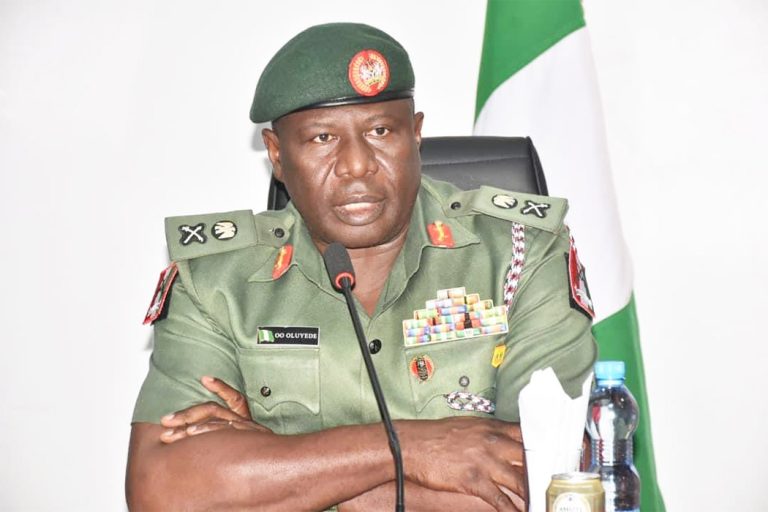
Nigeria and the United Kingdom have reaffirmed their long-standing defence relationship as part of renewed efforts to strengthen Nigeria’s capacity to respond to evolving security challenges across the country.
The commitment was restated during recent high-level engagements between defence officials of both nations in Abuja, reflecting a shared resolve to enhance cooperation in areas critical to regional and national stability.
The renewed partnership focuses on deepening collaboration in military training, intelligence sharing, and capacity building, as Nigeria continues to confront complex security threats including terrorism, insurgency, banditry, and transnational crime. Officials from both countries emphasized that the changing nature of security risks requires stronger international partnerships built on trust, professionalism, and mutual strategic interests.
According to defence sources, the United Kingdom has continued to support Nigeria through targeted training programmes aimed at improving operational effectiveness within the Nigerian Armed Forces. These initiatives are designed to enhance leadership skills, tactical coordination, and adherence to international humanitarian and human rights standards during military operations.
The discussions also highlighted the importance of institutional development within Nigeria’s defence architecture. Both sides underscored the need to strengthen systems that support long-term sustainability, including logistics management, defence planning, and civil-military relations. UK officials reiterated their country’s commitment to assisting Nigeria in building resilient institutions capable of responding to both current and future security demands.
Nigeria’s defence leadership noted that the partnership with the UK remains vital, given the scale and complexity of security challenges facing the country. They stressed that external support, when aligned with national priorities, plays a critical role in boosting local capacity and improving coordination among security agencies.
In recent years, Nigeria has faced persistent threats from non-state armed groups operating across different regions. These threats have had significant humanitarian and economic impacts, prompting the government to seek broader international cooperation. The renewed engagement with the UK is seen as part of a broader strategy to modernize Nigeria’s military and enhance its ability to safeguard lives and property.
The defence cooperation also extends to knowledge exchange on counterterrorism strategies and lessons learned from global security operations. UK representatives acknowledged Nigeria’s experience in dealing with asymmetric warfare and noted that the partnership allows both countries to benefit from shared expertise and operational insights.
Both nations reaffirmed their commitment to ensuring that military cooperation supports democratic governance and the rule of law. Emphasis was placed on the protection of civilians and the importance of accountability in security operations, which officials described as essential to maintaining public trust and long-term stability.
The engagement in Abuja further reflects the historical ties between Nigeria and the UK, particularly in the defence and security sector. Over the decades, both countries have collaborated on various initiatives aimed at promoting peace and security within Nigeria and the wider West African region.
As discussions concluded, officials from both sides expressed optimism that the strengthened partnership would yield tangible improvements in Nigeria’s security landscape. They agreed that sustained dialogue and regular engagement would be necessary to adapt cooperation frameworks to emerging threats and changing operational environments.
The reaffirmation of defence ties comes at a time when Nigeria is intensifying efforts to address internal security challenges while contributing to regional stability. With continued support from partners such as the United Kingdom, Nigerian authorities believe the country will be better positioned to respond effectively to evolving security risks and to protect its citizens.