

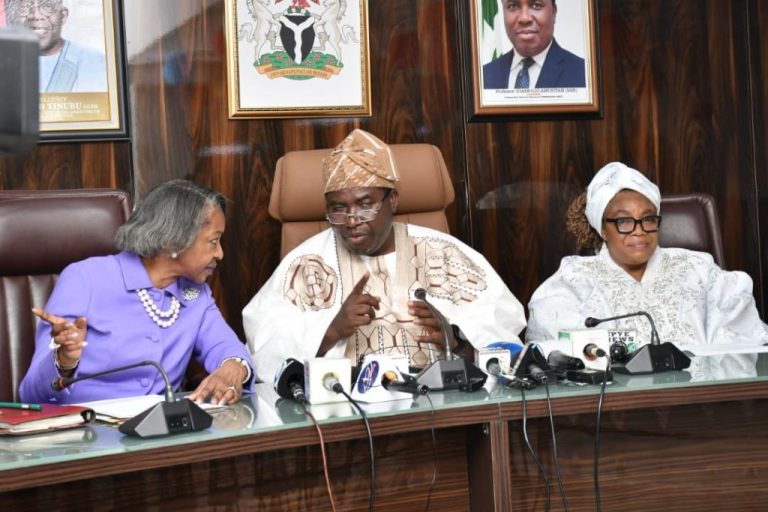
Senior Advocate of Nigeria, Chief Wole Olanipekun Amupitan, has expressed confidence that the 2027 general elections will be the most credible and seamless in Nigeria’s history, assuring that there will be no technical glitches to undermine the process.
Amupitan made the assertion amid ongoing efforts by the Independent National Electoral Commission (INEC) to strengthen the country’s electoral framework. He said lessons learned from previous elections have positioned stakeholders to deliver a more transparent and efficient exercise in 2027.
He noted that technological challenges experienced in past polls have provided valuable insights for improvement. According to him, electoral authorities are working to ensure that infrastructure and systems are fully tested and secure before the next nationwide vote.
INEC has already commenced a broad review of political party regulations as part of measures aimed at safeguarding election integrity. The commission said the review is intended to address gaps identified in earlier electoral cycles and to enhance compliance with established rules.
Electoral officials stated that the review will cover party registration requirements, internal democracy standards, campaign financing regulations, and dispute resolution mechanisms. The goal, they said, is to strengthen accountability and transparency within political parties.
Amupitan welcomed the development, describing it as a proactive step toward ensuring credible elections. He stressed that strong institutions and clear regulations are essential for building public trust in the electoral process.
He also emphasized the importance of collaboration among political parties, civil society groups, and security agencies. According to him, credible elections require collective commitment from all stakeholders, not just the electoral body.
Meanwhile, Speaker of the House of Representatives, Tajudeen Abbas, has explained why the National Assembly incorporated provisions for both electronic and manual transmission of election results in the amended Electoral Act.
Abbas said the dual approach was designed to provide flexibility and prevent disruptions in the event of technological failures. He noted that while electronic transmission enhances transparency and speed, manual backup options remain necessary in areas with limited connectivity.
The Speaker maintained that the inclusion of both methods reflects a practical understanding of Nigeria’s diverse infrastructure landscape. He said lawmakers sought to balance innovation with realism to avoid disenfranchising voters in remote communities.
According to Abbas, the National Assembly remains committed to supporting reforms that strengthen democratic governance. He added that continuous legislative oversight will ensure that electoral laws are effectively implemented.
Political analysts have observed that debates over electronic transmission were among the most contentious aspects of recent electoral reforms. Supporters argue that digital systems reduce human interference, while critics caution against overreliance on technology without adequate safeguards.
INEC officials have reiterated their commitment to improving the functionality of technological tools used during elections. They said investments in voter accreditation systems, result transmission platforms, and staff training are ongoing.
The commission also indicated that stakeholder consultations will form part of its regulatory review process. Political parties and civil society organizations are expected to provide input on proposed changes.
Amupitan urged political actors to focus on issue-based campaigns as preparations for 2027 gradually begin. He said credible elections are not only about systems and laws but also about the conduct of candidates and parties.
He added that Nigeria’s democratic maturity depends on adherence to the rule of law and respect for electoral outcomes. According to him, minimizing post-election disputes will require transparency at every stage of the process.
Civil society groups have welcomed assurances of reform but called for sustained monitoring. They emphasized the need for early testing of technology and voter education campaigns to build confidence ahead of 2027.
Observers note that Nigeria’s previous elections faced scrutiny over technical hitches and logistical delays. Authorities have acknowledged those challenges and pledged improvements.
As preparations continue, attention is expected to focus on how effectively INEC implements its regulatory review and technological upgrades. The success of these efforts will likely shape public perception of the next general elections.
With more than a year before the 2027 polls, stakeholders say there is sufficient time to refine processes and address concerns. Amupitan’s assurance that the elections will be Nigeria’s best yet reflects growing optimism among some political leaders.
Whether that optimism translates into a widely accepted and glitch-free electoral process will depend on sustained commitment from institutions, lawmakers, political parties, and voters alike.