

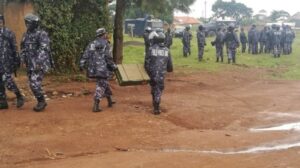
The home of Ugandan opposition leader Robert Ssentamu Kyagulanyi, widely known as Bobi Wine, was surrounded by police and military personnel on Tuesday as the country prepared for national elections scheduled for January 15, according to reports from Uganda. The security deployment occurred amid heightened political tensions and growing restrictions imposed by the government in the days leading up to the vote.
By approximately 6:00 p.m. on Tuesday, January 13, internet access across Uganda had been shut down, and most phone communication services were disabled nationwide.
The government action effectively cut off digital communications for millions of citizens just days before the election, limiting access to information and communication platforms used by voters, political actors, civil society organizations, and the media.
The shutdown marks another election cycle in Uganda conducted under heavy restrictions on digital communication. In previous elections, similar measures were implemented, drawing criticism from opposition groups, civil society organizations, and international observers. Uganda now joins a list of countries where authorities have suspended internet and mobile services during elections, citing security concerns.
The communication blackout has contributed to what observers describe as an information vacuum surrounding the electoral process. This has coincided with reports of arrests of civilians, opposition supporters, and political figures. Several election observers and members of civil society organizations have reportedly been detained, with some denied bail following a government directive that restricted the operations of non-governmental organizations during the election period.
The internet and mobile shutdown has had wide-ranging effects beyond politics. Health services, particularly in rural areas, have been disrupted as clinics and patients rely heavily on mobile communication and online systems to coordinate care, access medical information, and manage emergencies. The loss of connectivity has raised concerns among health professionals about delays in treatment and reduced access to essential services.
Businesses across the country have also been affected, especially those that depend on online platforms for sales, payments, and communication with customers. Small and medium-sized enterprises, many of which operate primarily through mobile money and social media, have reported interruptions to operations and financial losses as a result of the shutdown.
President Yoweri Museveni, who has been in power for more than four decades, has previously defended internet shutdowns as necessary to maintain public order during sensitive political periods. However, critics argue that such measures undermine transparency and restrict the ability of citizens and the international community to monitor electoral processes and report abuses.
The deployment of security forces around the residence of Bobi Wine, the main opposition challenger in the election, has further intensified concerns about political freedoms and the environment in which the vote is taking place. Bobi Wine has emerged as a prominent figure among younger voters and urban populations, campaigning on a platform that emphasizes democratic reform, accountability, and an end to long-standing political dominance.
International human rights groups have previously expressed concern over the use of force, arrests, and communication restrictions during Ugandan elections. The current situation has renewed questions about the protection of civil liberties, including freedom of expression, freedom of assembly, and the right to participate in public affairs without intimidation.
As Uganda approaches the January 15 elections, the combination of a nationwide communication shutdown, restrictions on civil society, and an increased security presence has placed the country’s electoral process under intense scrutiny. Observers continue to monitor developments closely, as the outcome of the vote and the conditions under which it is conducted are likely to have significant implications for Uganda’s political future.