
Igoli Under Siege as Bayelsans Accuse Him of Political Sabotage and Misinformation
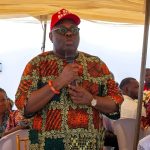
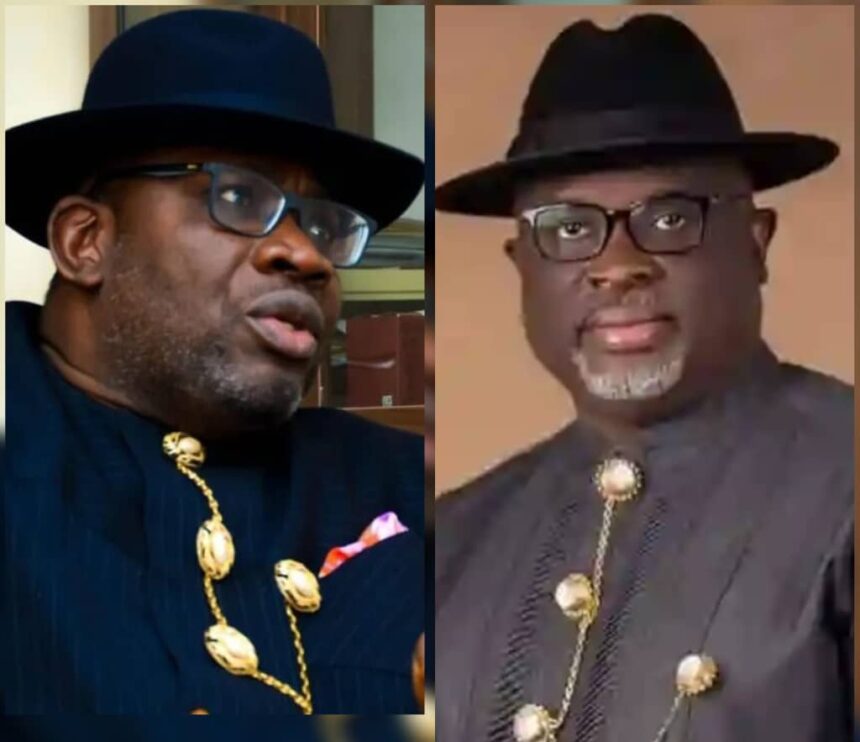
A former member of the Bayelsa State House of Assembly, Mr. Sunny Igoli, has come under widespread criticism following comments he made about a former governor of the state and current Senator representing Bayelsa West, Senator Henry Seriake Dickson.
Mr. Igoli, who is identified as a chieftain of the All Progressives Congress, made the remarks on his social media platforms after reacting to a statement attributed to Senator Dickson during a recent public broadcast. The comments quickly attracted attention and sparked reactions from listeners and political observers across the state.
Several individuals who said they followed the broadcast accused Mr. Igoli of misrepresenting the senator’s remarks. They alleged that the former lawmaker selectively interpreted the statement to project a negative narrative against Senator Dickson and stir public resentment.
The reactions escalated rapidly on social media, with many Bayelsans expressing disapproval of Mr. Igoli’s comments. Critics described his position as misleading and questioned his credibility, insisting that the senator’s statement was taken out of context.
As the backlash intensified, some social media users revisited aspects of Mr. Igoli’s past. Allegations that have previously followed his public life were again raised in online discussions, though these claims remain unresolved.
Among the allegations referenced were claims of links to cult-related activities in Bayelsa State. Commentators also cited other controversies that have trailed him over the years, using them to challenge his moral authority to criticise a former governor of the state.
Some respondents further alleged that Mr. Igoli had, at one time, petitioned the Economic and Financial Crimes Commission against his elder brother and political benefactor, Chief Timipre Sylva. This action was described by critics as a betrayal, and it was cited as part of a pattern of conduct they found questionable.
In contrast, many commentators rose in defence of Senator Dickson, highlighting his record during his tenure as governor of Bayelsa State. They argued that his administration achieved significant development outcomes despite prevailing economic challenges.
Supporters of the former governor noted that no previous administration, in their view, had developed Yenagoa and the wider Bayelsa State as extensively. They pointed to major infrastructural projects executed during his time in office.
According to them, even during six years of national economic recession, the Dickson administration initiated and completed several road projects and other public infrastructure across the state. The New Yenagoa City project was frequently mentioned as a key example of long-term urban development planning.
Respondents also emphasised investments made in security and stability under the former governor. They recalled that Senator Dickson took firm measures to address cultism and criminal activities that had affected parts of the state.
Some commentators alleged that these criminal activities were sponsored by political elements, including Mr. Igoli. They claimed that the actions taken by the Dickson administration helped to restore relative peace and stability to Bayelsa State at the time.
The online exchange has continued to generate discussion, reflecting the deep political divisions and loyalties within the state. It has also highlighted how past political actions and personal histories are often revisited in contemporary debates.
The incident underscores the growing influence of social media and new media platforms in shaping political narratives in Bayelsa State. It also reflects the heightened sensitivity surrounding public statements by political actors and the speed with which such statements can attract scrutiny and public response.