
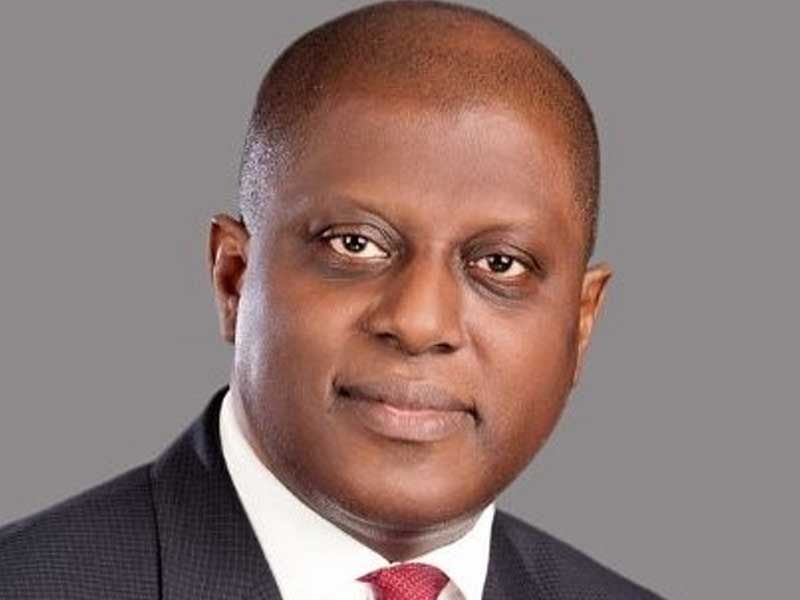
The Governor of the Central Bank of Nigeria, Olayemi Cardoso, has declared that recent reforms implemented by the apex bank have helped to restore a measure of economic stability, insisting that the Nigerian economy is no longer on the brink of collapse.
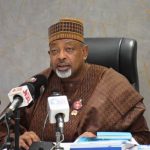
Cardoso made this assertion while speaking at the National Economic Council conference, where he outlined the impact of the Central Bank’s policy direction and ongoing reforms on macroeconomic conditions. He said the reforms, though difficult, were necessary to stabilise the economy and rebuild confidence.
According to the CBN governor, key indicators are beginning to reflect the positive effects of the measures taken by the bank, particularly in the areas of monetary discipline, foreign exchange management and inflation control. He acknowledged that the adjustment period has been challenging for businesses and households but stressed that the foundations for sustainable growth are being laid.
Cardoso said the ongoing recapitalisation of Nigerian banks will play a critical role in supporting the federal government’s ambition of building a $1 trillion economy. He explained that stronger and better-capitalised banks would be more capable of financing large-scale investments, supporting the real sector and driving long-term economic expansion.
He noted that the recapitalisation exercise is designed to ensure that Nigerian banks remain resilient in the face of global economic shocks. According to him, a sound banking system is essential for economic stability, as it enhances confidence, improves credit flow and strengthens the overall financial architecture.
The CBN governor also reaffirmed the bank’s commitment to defending the value of the naira, stating that the currency will be protected at all costs. He said recent reforms in the foreign exchange market have helped to improve transparency and reduce distortions, making the naira more competitive.
Cardoso said the unification of exchange rate windows and efforts to clear foreign exchange backlogs have contributed to restoring credibility in the market. He added that while volatility remains, the naira is now better positioned to reflect market fundamentals rather than administrative controls.
Addressing concerns about inflation and cost-of-living pressures, Cardoso admitted that price stability remains a major challenge. However, he said the CBN is maintaining a tight monetary stance to rein in inflation and anchor expectations, noting that monetary policy decisions are being guided strictly by data.
He emphasised that the CBN will not compromise its mandate of price and financial stability, even in the face of political or social pressure. According to him, policy consistency is crucial for restoring investor confidence and ensuring long-term economic health.
Cardoso warned against narratives suggesting that Nigeria’s economy is on the verge of collapse, saying such claims do not reflect current realities. He said while the economy faces significant headwinds, it is far from being out of control, adding that reforms are gradually yielding results.
He pointed to improved coordination between fiscal and monetary authorities as a key factor supporting stability. The CBN governor said closer collaboration with the federal government has helped to align policies and reduce contradictions that previously undermined economic management.
Cardoso also highlighted the importance of structural reforms beyond monetary policy. He said issues such as infrastructure deficits, insecurity and low productivity must be addressed to fully unlock Nigeria’s economic potential, noting that the CBN alone cannot solve all economic problems.
He called on state governments, the private sector and other stakeholders to play their roles in sustaining the reform momentum. According to him, shared responsibility and collective action are required to achieve inclusive growth and long-term prosperity.
Participants at the NEC conference were told that restoring confidence, both domestically and internationally, remains a central objective of the reforms. Cardoso said foreign investors are beginning to take a fresh look at Nigeria as policy clarity improves, although he admitted that rebuilding trust takes time.
The CBN governor said the bank will continue to engage stakeholders and communicate its policies clearly to avoid uncertainty. He added that transparency and accountability are now central to the CBN’s operations.
As Nigeria navigates a difficult economic transition, Cardoso expressed optimism that the country is on a path toward recovery. He said the reforms may be painful in the short term but are necessary to secure long-term stability and growth.
He concluded by reaffirming the CBN’s resolve to stay the course, insisting that protecting the naira, strengthening the banking sector and maintaining macroeconomic stability remain non-negotiable priorities. According to him, with discipline and consistency, Nigeria can achieve its economic aspirations and build a more resilient economy.