

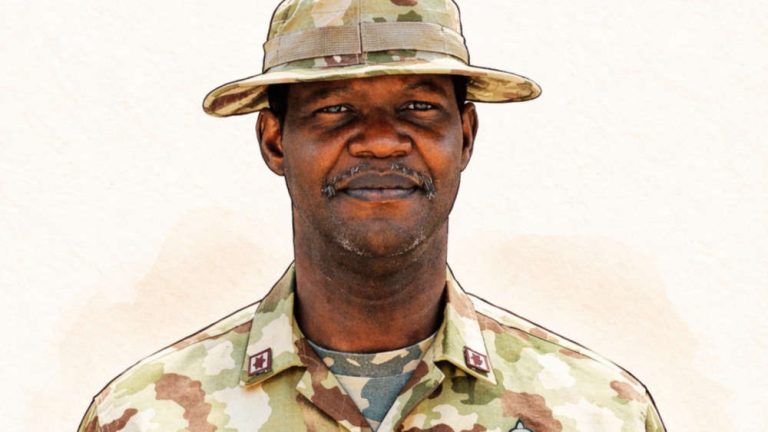
The recent killing of Brigadier-General Oseni Omoh Braimah and several other military personnel in an attack by Boko Haram insurgents has intensified concerns about Nigeria’s security challenges, with analysts warning that the incident represents more than a battlefield setback.
The attack, which resulted in the death of a high-ranking officer, has been described by observers as a significant blow to military morale and a troubling indication of the resilience of insurgent groups operating in the country’s northeast. It underscores ongoing difficulties faced by security forces despite years of counterinsurgency operations.
Commentators, including Iyobosa Uwugiaren, argue that the incident reflects deeper structural issues within Nigeria’s security framework. According to this perspective, the loss of senior officers in combat points to vulnerabilities in intelligence, equipment, and coordination that continue to hinder efforts to decisively weaken insurgent networks.
The killing has also placed renewed pressure on President Bola Ahmed Tinubu’s administration to demonstrate progress in tackling insecurity. Since taking office, the government has pledged to prioritize national security, but persistent attacks by Boko Haram and other armed groups have raised questions about the effectiveness of current strategies.
Security experts note that such incidents can have a ripple effect across the armed forces. The loss of experienced commanders not only affects operational leadership but can also impact troop confidence, particularly in regions where insurgents have maintained a strong presence.
There are also growing concerns about the adequacy of military resources. Reports of insufficient equipment, logistical challenges, and difficult terrain have long been cited as obstacles in the fight against insurgency.
Analysts suggest that addressing these issues is essential to improving outcomes on the ground.
Beyond the military dimension, the attack has broader national implications. It highlights the continued threat posed to civilian populations in affected areas and raises fears about the potential for further destabilization if insurgent groups are not effectively contained.
Uwugiaren’s argument frames the incident as a test of political will and leadership. He suggests that the government must take decisive steps not only to respond to the immediate security threat but also to implement long-term reforms aimed at strengthening defence institutions and improving intelligence capabilities.
Calls for a comprehensive approach to security have grown louder in the wake of the attack. Experts emphasize the need for better coordination among security agencies, enhanced community engagement, and sustained investment in both military and non-military strategies to address the root causes of insurgency.
The incident has also drawn public attention to the human cost of the conflict. While the military continues to confront insurgent groups, the loss of personnel serves as a reminder of the ongoing sacrifices made by members of the armed forces.
As Nigeria grapples with multiple security challenges, including insurgency, banditry, and communal violence, the killing of a senior officer is being seen as a critical moment. Observers say the government’s response in the coming weeks will be closely watched as an indicator of its ability to manage one of the country’s most pressing issues.
With security remaining central to national stability and economic development, the pressure is mounting on the Tinubu administration to translate commitments into tangible improvements. The broader question, analysts note, is whether current strategies can be recalibrated quickly enough to prevent further losses and restore confidence in the fight against insurgency.