
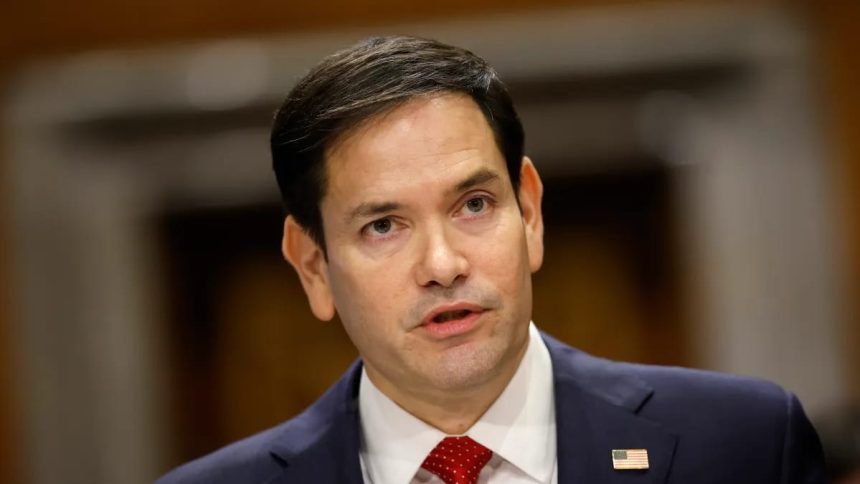
U.S. Senator Marco Rubio has dismissed reports suggesting that the United States is considering barring Iran’s national football team from participating in the 2026 FIFA World Cup. He described the claims as inaccurate and said there is no policy effort underway to exclude Iranian players from the tournament.
The comments come amid rising tensions and speculation about how geopolitical issues could affect international sporting events hosted by the United States. The country is set to co-host the 2026 World Cup alongside Canada and Mexico, prompting questions about visa policies and eligibility for teams from nations with strained diplomatic relations.
Rubio clarified that while the United States maintains strict policies toward Iran’s government, those measures are not aimed at preventing athletes from competing in global sporting competitions. He emphasized that participation in events like the World Cup is governed by international organizations such as FIFA, not unilateral political decisions by host nations.
Reports had circulated suggesting that Iranian players might face restrictions entering the U.S. due to existing sanctions and travel limitations. These concerns were fueled by broader immigration policies and past restrictions placed on certain countries. However, Rubio said such interpretations were misleading and not reflective of current plans.
The issue has drawn attention because the World Cup requires host countries to accommodate teams and officials from around the world. FIFA typically requires guarantees that all qualified teams will be allowed entry, regardless of political relations. This has historically led to exceptions or special arrangements even between countries with limited or hostile diplomatic ties.
Rubio noted that the U.S. has experience managing such situations during previous international events. He pointed out that mechanisms are in place to ensure compliance with global sporting obligations while still maintaining national security standards.
The senator also stressed that athletes should not be used as tools in political disputes. He said international sports often serve as a platform for unity and competition beyond political differences, and that principle should be preserved.
The Iranian national team has been a regular participant in World Cup tournaments and is expected to compete for qualification for the 2026 event. Any suggestion of a ban raised concerns among football governing bodies and fans about fairness and adherence to international sporting rules.
Observers note that similar issues have arisen in the past, with host countries navigating complex diplomatic landscapes to ensure inclusive participation. In most cases, special visas or limited-entry permissions are granted to athletes and officials to allow them to compete.
Rubio’s remarks appear aimed at calming speculation and reaffirming that no decision has been made to exclude Iran from the upcoming tournament. He reiterated that policies affecting international sports participation are not determined by individual lawmakers but involve coordination between multiple agencies and international bodies.
As preparations for the 2026 World Cup continue, attention is likely to remain on how the United States balances its foreign policy with its responsibilities as a host nation. For now, officials maintain that there is no move to prevent Iranian players from taking part in the competition.