

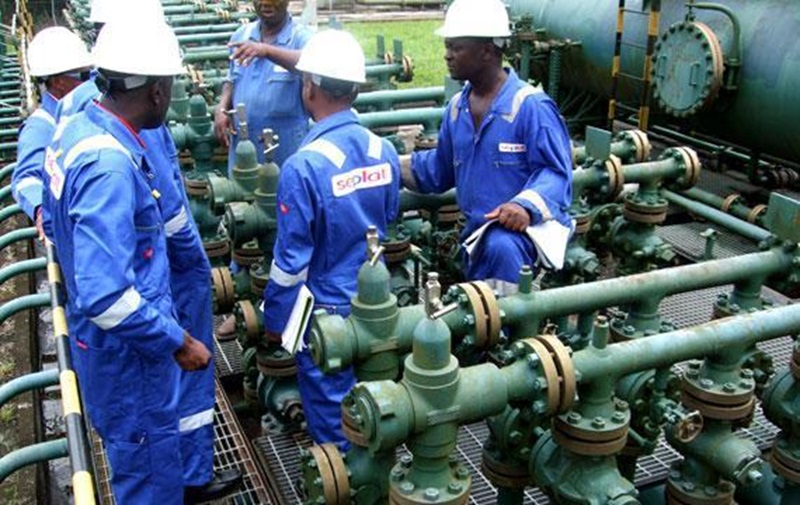
Workers at Seplat Energy have commenced an indefinite strike over unresolved disputes related to pay and welfare, raising concerns about potential disruptions to the company’s operations and Nigeria’s broader oil production targets.
The industrial action underscores ongoing tensions within the energy sector as the country seeks to boost output and stabilize revenues.
The strike follows failed negotiations between employees and management, with workers citing dissatisfaction over compensation packages and working conditions.
Union representatives have indicated that repeated efforts to reach an agreement did not yield satisfactory outcomes, prompting the decision to halt work indefinitely.
Seplat Energy, one of Nigeria’s leading indigenous oil and gas producers, plays a significant role in the country’s upstream sector. Any prolonged disruption to its operations could have implications for production volumes, particularly at a time when the federal government is focused on increasing oil output to support economic recovery.
Employees involved in the strike are demanding improvements in wages, benefits, and overall welfare provisions. They argue that current conditions do not adequately reflect the demands of their roles or the company’s performance within the competitive energy market.
Management has yet to issue a detailed public response outlining its position on the strike, though industry observers expect ongoing engagement between both parties to resolve the dispute.
Labour actions of this nature often involve mediation efforts by government agencies to prevent long-term impacts on strategic sectors.
The development comes as Nigeria continues to face challenges in meeting its oil production benchmarks. Issues such as pipeline vandalism, theft, and operational constraints have already affected output levels, making stability within producing companies increasingly important.
Analysts warn that an extended strike at Seplat could further complicate efforts to raise production, particularly if it affects key assets or delays planned operational activities. The situation may also influence investor confidence in the sector, depending on how quickly and effectively it is resolved.
Labour disputes in the oil and gas industry are not uncommon, but they often carry heightened significance due to the sector’s central role in government revenue and foreign exchange earnings. As such, there is typically strong pressure on all parties to resolve.
Stakeholders are closely monitoring developments, with expectations that dialogue will resume in an attempt to address workers’ concerns while ensuring continuity of operations. The outcome of the dispute could set a precedent for similar negotiations across the industry.
For now, the indefinite nature of the strike introduces uncertainty into Seplat’s production outlook and Nigeria’s wider energy strategy. Both the company and government authorities face mounting pressure to resolve the impasse and minimize its impact on the country’s economic objectives.


