
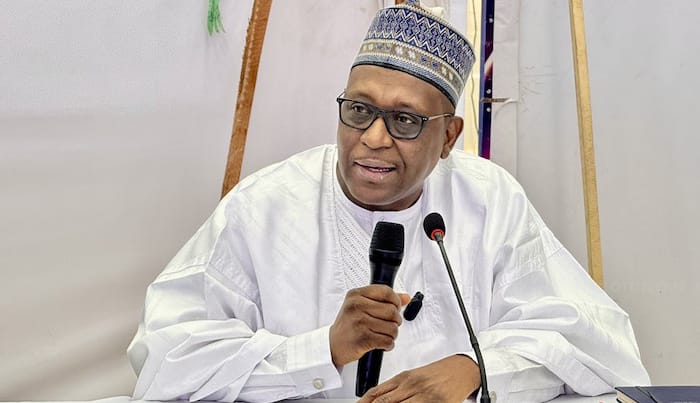
Nigeria’s Minister of Health, Muhammad Ali Pate, has disclosed that only ₦36 million has been released so far from the ministry’s ₦218 billion capital budget for the 2025 fiscal year. He revealed that the amount represents a very small fraction of the total allocation approved for capital projects.
Pate said the limited release of funds has significant implications for the ministry’s planned projects and infrastructure development. The 2025 capital budget was designed to support critical investments in the health sector, including upgrades to facilities, procurement of equipment, and expansion of services.
According to the minister, the ₦36 million released so far is negligible compared to the overall capital allocation. The capital component of a budget typically funds long-term investments such as hospital construction, rehabilitation of health centres, and acquisition of medical technology.
The minister’s remarks highlight concerns about the pace of budget implementation in the health sector. With less than one percent of the allocated funds made available, many planned projects may face delays or remain stalled if additional releases are not made promptly.
Pate stressed the importance of adequate and timely funding to improve healthcare delivery across the country. He noted that Nigeria’s health system requires sustained investment to address infrastructure gaps, workforce shortages, and rising demand for services.
The 2025 capital budget of ₦218 billion was expected to play a key role in strengthening primary, secondary, and tertiary healthcare facilities. It was also intended to support ongoing reforms and strategic initiatives aimed at improving access and quality of care.
Observers say that capital budget releases often depend on overall government revenue performance and cash flow considerations. When revenues fall short or fiscal pressures increase, capital expenditures are sometimes delayed or reduced.
The minister’s disclosure underscores the broader challenge of translating budgetary approvals into actual spending. While allocations may appear substantial on paper, implementation depends on the timely disbursement of funds by the appropriate authorities.
Stakeholders in the health sector have repeatedly emphasized the need for consistent financing to achieve national health goals. These include reducing maternal and child mortality, combating infectious diseases, and addressing the growing burden of non-communicable diseases.
Limited capital releases can affect ongoing construction projects, equipment procurement, and modernization efforts in public hospitals. Contractors and service providers may also experience delays in payments, potentially slowing progress further.
Pate indicated that improving healthcare infrastructure remains a priority for the administration. However, he acknowledged that the current level of fund release is insufficient to meet the ministry’s objectives for the year.
Health experts warn that underfunding of capital projects could widen existing gaps in service delivery. Many public health facilities across the country require renovation, expansion, or new equipment to function effectively.
The minister’s statement has drawn attention to the need for better budget performance tracking and transparency. Ensuring that allocated funds are released and utilized efficiently is seen as critical to strengthening public trust and achieving measurable outcomes.
Despite the low release so far, the health ministry is expected to continue engaging with relevant financial authorities to secure additional disbursements. The success of many 2025 initiatives will depend on whether a larger portion of the capital budget is made available in the coming months.
The disclosure serves as a reminder of the challenges facing Nigeria’s healthcare financing framework. As demand for improved services grows, sustained and timely investment will be essential to support infrastructure development and enhance the overall quality of care nationwide.