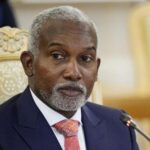


Calls have intensified for the federal government to declare a national emergency on cancer as concerns mount over the rising burden of the disease, particularly breast cancer, in Nigeria. Former pharmaceutical executive and public health advocate, Sam Ohuabunwa, made the appeal amid growing anxiety about the plight of patients and the strain on the healthcare system.
Ohuabunwa urged authorities to treat cancer as a public health crisis requiring urgent and coordinated intervention. He warned that without decisive action, the increasing number of cases could overwhelm existing medical infrastructure and deepen the suffering of affected families.
His call comes against the backdrop of rising awareness about breast cancer, which remains one of the most common cancers affecting Nigerian women. Health experts have consistently highlighted late diagnosis, limited screening services, and inadequate treatment facilities as major challenges.
Ohuabunwa stressed that declaring a cancer emergency would signal political commitment at the highest level. He said it would also help mobilise resources, strengthen policy coordination, and prioritise funding for prevention, screening, and treatment programmes.
The Chairman of the Senate Committee on Health has also expressed concern about the growing cancer burden, noting that many patients face difficulties accessing timely care. Limited radiotherapy centres, high treatment costs, and shortages of specialised personnel have compounded the problem.
According to stakeholders, a significant number of cancer cases in Nigeria are detected at advanced stages. Late presentation reduces survival rates and increases the cost and complexity of treatment.
Ohuabunwa argued that a national emergency declaration would encourage greater investment in oncology services across the country. He called for the establishment of more cancer treatment centres and improved access to diagnostic tools.
He also advocated expanded public education campaigns to promote early detection. Awareness programmes, he said, should target both urban and rural communities to ensure widespread knowledge of symptoms and available services.
Breast cancer advocacy groups have long pushed for stronger government intervention. They point to the financial burden borne by patients, many of whom must pay out of pocket for chemotherapy, surgery, and other treatments.
Healthcare professionals note that strengthening primary healthcare systems could improve early identification of cancer symptoms. Integrating routine screening into community health services may help reduce late-stage diagnoses.
Ohuabunwa emphasized the need for collaboration between federal and state governments, private sector stakeholders, and development partners.
He said tackling cancer effectively requires a coordinated, multi-sectoral response.
He further called for improved health insurance coverage to reduce the financial strain on patients. Expanding access to affordable care, he noted, would increase treatment uptake and improve survival outcomes.
Data from health authorities indicate that cancer cases are rising in Nigeria, mirroring global trends. However, limited infrastructure and funding have constrained the country’s response capacity.
The appeal for an emergency declaration reflects broader concerns about non-communicable diseases in Nigeria. As infectious disease control improves, conditions such as cancer are becoming more prominent in the national health landscape.
Ohuabunwa maintained that political will is critical to reversing current trends. He urged policymakers to act swiftly to prevent further loss of lives and to ensure that patients receive timely and adequate care.
Observers say that a formal declaration of emergency could unlock additional funding, accelerate reforms, and attract international support. It may also raise public awareness and encourage earlier health-seeking behaviour.
As the debate continues, stakeholders agree that addressing cancer requires sustained commitment and long-term planning. For many advocates, declaring a national emergency would represent a decisive first step toward confronting the growing health challenge facing the country.