
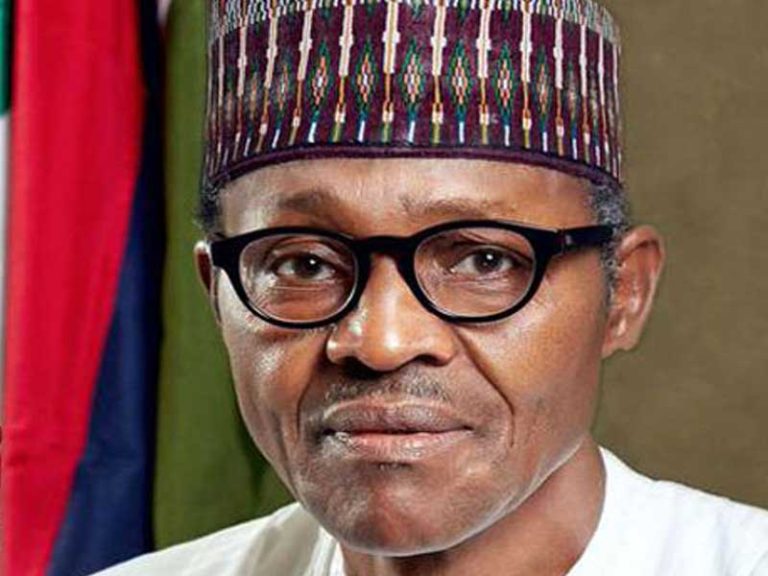
Germany has said that the $2.3 billion Siemens power deal signed under former President Muhammadu Buhari remained largely dormant until President Bola Tinubu revived it. Germany’s Deputy Head of Mission in Nigeria, Mr. Johannes Lehne, disclosed this in Abuja, highlighting renewed momentum in the bilateral power sector partnership.
The Siemens agreement, formally known as the Presidential Power Initiative (PPI), was designed to modernise and expand Nigeria’s electricity transmission and distribution infrastructure. The project aims to significantly increase available power capacity and improve grid reliability across the country.
Lehne stated that while the agreement was signed during the Buhari administration, implementation slowed before being reactivated by the current government. He noted that recent engagements between Nigeria and Germany have restored focus and progress on the initiative.
The revival of the deal is expected to strengthen cooperation between both countries in the energy sector. Officials said the renewed commitment demonstrates the Tinubu administration’s determination to address longstanding power supply challenges.
The Siemens project is structured in phases and targets incremental improvements in power generation, transmission, and distribution. It is expected to unlock thousands of megawatts in available capacity by addressing bottlenecks within the grid.
Stakeholders in the power sector have consistently stressed the importance of infrastructure upgrades to stabilise electricity supply. Nigeria continues to grapple with inadequate power generation and frequent grid disruptions despite having significant installed capacity.
Meanwhile, the Nigerian Upstream Petroleum Regulatory Commission (NUPRC) stated that the Petroleum Industry Act (PIA) is creating an enabling environment for increased non-associated gas production. The commission pointed to Nigeria’s estimated 210 trillion cubic feet (Tcf) of gas reserves as a strong foundation for growth in the sector.
According to the NUPRC, the regulatory framework introduced by the PIA has enhanced transparency and improved incentives for investors. The commission believes the reforms are positioning Nigeria to harness its vast gas resources more effectively.
Non-associated gas, which is produced independently of crude oil extraction, is seen as critical to boosting domestic gas supply for power generation and industrial use. Expanding output in this segment could help address feedstock constraints affecting electricity generation plants.
Officials noted that the PIA has introduced clearer fiscal terms and regulatory certainty, which are essential for attracting long-term investments. The reforms are also expected to drive increased exploration and development activities in the gas sector.
Energy analysts say the combination of revived power sector projects and improved gas production policies could significantly impact Nigeria’s electricity landscape. Reliable gas supply remains central to sustaining thermal power plants that account for a substantial share of the country’s generation mix.
The renewed progress on the Siemens deal is viewed as a practical step toward resolving transmission and distribution challenges that have limited effective power delivery. Upgrading infrastructure is considered necessary to fully utilise available generation capacity.
Germany has maintained a longstanding partnership with Nigeria, particularly in energy and industrial development. The ongoing collaboration under the Siemens initiative underscores shared efforts to improve electricity access and support economic growth.
With over 210 Tcf of proven gas reserves, Nigeria is regarded as one of Africa’s largest gas-rich nations. Policymakers have increasingly emphasised gas as a transition fuel capable of supporting industrialisation and energy security.
Observers believe that sustained political commitment, regulatory stability, and coordinated execution will determine the long-term success of both the Siemens power initiative and expanded gas development under the PIA.
The renewed traction on the $2.3 billion agreement, alongside regulatory reforms in the upstream gas sector, signals a broader push to address structural constraints in Nigeria’s energy industry. Stakeholders will closely watch implementation milestones as the government seeks to translate policy commitments into measurable improvements in power supply.