

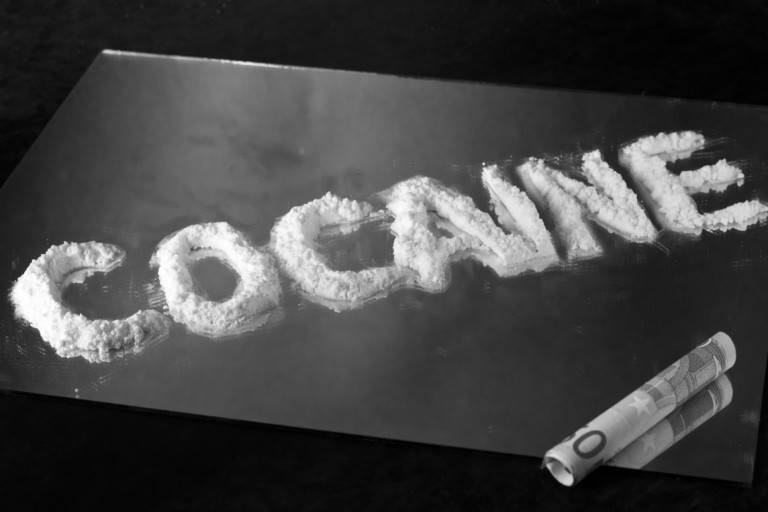
At least nine people were killed and eight others injured on Friday after a cocaine laboratory exploded in southwestern Colombia, according to police authorities. The incident occurred in the Narino department along Colombia’s Pacific coast, a region long associated with illicit drug production and trafficking.
Police said the explosion took place in a rural area inhabited by the Indigenous Awa people. The zone is also known for the presence of illegal armed groups that operate drug laboratories and trafficking routes. The blast caused a fire that spread rapidly through the makeshift facility, leaving little chance for those inside to escape.
Authorities confirmed that the victims were working at the illegal cocaine laboratory at the time of the explosion. According to police, the individuals were linked to the National Coordinator of the Bolivarian Army. This dissident faction broke away from the Revolutionary Armed Forces of Colombia, known as FARC.
Police Colonel John Jairo Urrea told local media that preliminary findings indicate a gas cylinder accident as the likely cause of the blast. He explained that the cylinder exploded while it was being used during the drug production process.
Urrea said the explosion was triggered by human error during the handling of the gas cylinder. He noted that the fire engulfed the site within seconds, making rescue efforts extremely difficult once the blaze started.
In a statement released after the incident, the renegade armed group acknowledged the explosion and attributed it to mistakes made during the handling of flammable materials. The group said the laboratory caught fire almost immediately following the explosion.
The National Coordinator Bolivarian Army is one of several armed factions that rejected the 2016 peace agreement between the Colombian government and the FARC. That agreement formally ended decades of armed conflict but led to the emergence of dissident groups that continued illegal activities, including drug production.
Despite rejecting the peace deal, the group remains engaged in intermittent talks with the leftist government of President Gustavo Petro. These negotiations have focused on reducing violence and curbing illegal operations in conflict-prone regions.
Narino has remained a strategic hub for cocaine production and trafficking for decades. Its geographic location, bordering Ecuador and offering access to the Pacific Ocean, has made it a key route for drugs destined for international markets, including the United States.
Drug traffickers in the region have strengthened their control with the backing of Mexican cartels, according to security analysts. The collaboration has increased the scale of drug production and intensified competition among armed groups.
The explosion comes amid growing regional tensions over drug trafficking. Earlier this week, Ecuador’s conservative President Daniel Noboa imposed a 30 percent tariff on imports from Colombia. He accused the Colombian government of failing to adequately curb the flow of drugs across their shared border.
President Petro responded by imposing a matching tariff on Ecuadorian imports. He defended his administration’s efforts to combat illegal drug trafficking and reduce the influence of armed groups in border regions.
The dispute has added strain to diplomatic relations between the neighboring countries, which have both struggled with rising violence linked to organized crime. Ecuador has recently declared states of emergency in response to escalating gang-related attacks.
Colombia has also faced pressure from international partners over drug trafficking. Over the past year, President Petro has encountered criticism from United States President Donald Trump, who has accused Colombia of not doing enough to limit cocaine production.
In response, Petro has argued that his government is pursuing a different strategy focused on peace negotiations, rural development, and reducing the economic incentives that drive coca cultivation. He has maintained that long-term solutions are more effective than purely militarized approaches.
Petro is scheduled to travel to Washington on February 3 for talks with the US president. The discussions are expected to include drug trafficking, regional security, and bilateral cooperation.
The deadly explosion in Narino has once again highlighted the dangers associated with illegal drug production. Authorities said investigations are ongoing to determine the full circumstances surrounding the blast and to assess the broader security implications for the region.