
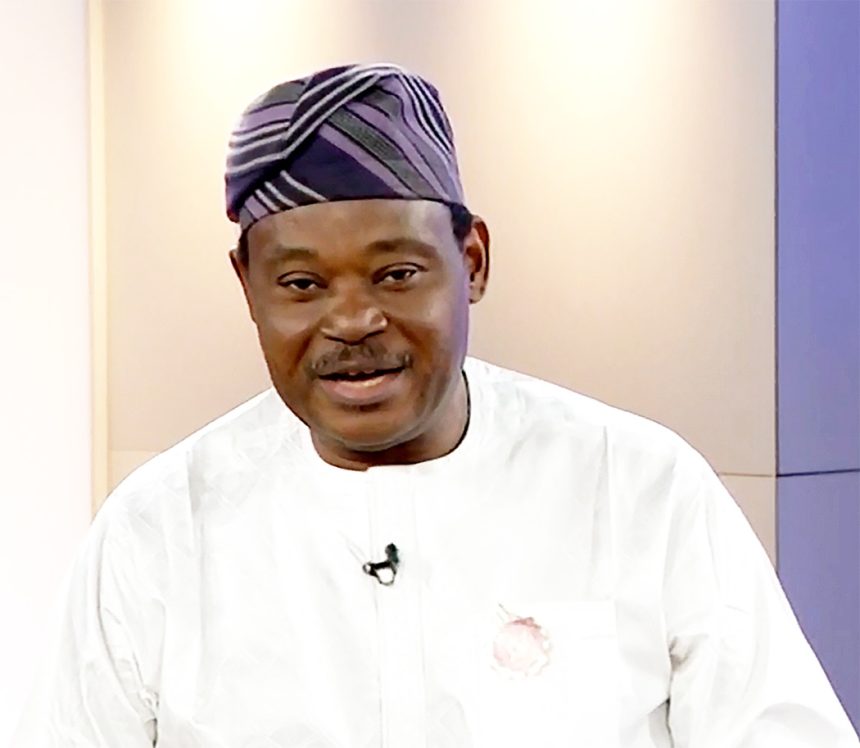
Nigeria’s Ambassador and Permanent Representative to the United Nations, Jimoh Ibrahim, has stated that President Bola Ahmed Tinubu will not reverse the economic reforms currently being implemented by his administration. He made this known while addressing concerns about the impact of recent policy changes on Nigerians and the broader economy.
Ibrahim emphasized that the reforms are part of a long-term strategy aimed at stabilizing and strengthening the country’s economic foundation. He noted that while the policies may present short-term challenges, they are necessary to correct structural imbalances and set Nigeria on a path toward sustainable growth.
According to him, the Tinubu administration remains committed to its economic agenda despite public criticism and pressure from various groups. He explained that reversing the reforms would undermine the progress already made and could worsen existing economic issues.
He pointed out that many of the policies being implemented are designed to address longstanding inefficiencies in key sectors. These include measures to improve fiscal discipline, enhance revenue generation, and reduce dependency on unsustainable subsidies.
Ibrahim also highlighted the importance of consistency in economic policymaking. He said that frequent policy reversals in the past have contributed to uncertainty and discouraged investment, both locally and internationally. Maintaining the current reform trajectory, he argued, would help restore investor confidence.
The ambassador acknowledged that some Nigerians are experiencing hardship as a result of the changes. However, he maintained that the government is aware of these difficulties and is working on interventions to cushion the impact on vulnerable populations.
He further stated that economic transformation requires difficult decisions and that leaders must be willing to take such steps in the interest of the nation’s future. Ibrahim urged Nigerians to remain patient and supportive, noting that the benefits of the reforms would become more evident over time.
In his remarks, he also referenced global economic trends, suggesting that Nigeria is not alone in facing economic pressures. He said that many countries are implementing tough policies to stabilize their economies in response to inflation, currency fluctuations, and other challenges.
Ibrahim reiterated that President Tinubu’s administration is focused on creating a more resilient and competitive economy. He added that reforms in areas such as energy, taxation, and public finance are critical to achieving this goal.
He stressed that the government is committed to transparency and accountability in the implementation of its policies. According to him, clear communication and stakeholder engagement are essential to ensuring public understanding and support.
The ambassador concluded by reaffirming that there would be no reversal of the reforms, describing them as essential steps toward long-term national development. He expressed confidence that, despite current difficulties, the policies would ultimately lead to economic stability and improved living standards for Nigerians.
His comments come amid ongoing debates about the direction of Nigeria’s economy and the effectiveness of the government’s reform agenda, with many observers closely watching how the policies unfold in the coming months.