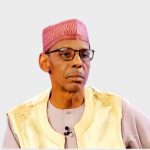


President Bola Tinubu has carried out a cabinet reshuffle that has led to the removal of key ministers, including Wale Edun and Ahmed Musa Dangiwa. The decision, announced in an official statement, forms part of the administration’s efforts to reorganize the federal cabinet and improve governance.
The reshuffle comes amid ongoing economic and policy challenges in Nigeria, with the presidency emphasizing the need to reposition ministries for better performance. While specific reasons for the removal of the affected ministers were not fully detailed, officials indicated that the changes are aimed at strengthening service delivery and aligning government priorities.
Wale Edun, who previously held a significant role in the administration, was widely recognized for his involvement in economic planning and fiscal policy. His exit from the cabinet has drawn attention from political analysts and stakeholders, particularly given the current economic climate and the government’s reform agenda.
Ahmed Musa Dangiwa, who also served in a key capacity, was among those affected by the reshuffle. His tenure included oversight of critical sectors, and his removal is expected to prompt further adjustments within the ministry he led. Observers note that such changes could signal a shift in policy direction or administrative strategy.
The presidency stated that the reshuffle is part of a broader review process designed to ensure that ministers meet performance expectations. Government sources suggested that President Tinubu has been assessing the effectiveness of his cabinet members and is prepared to make adjustments where necessary.
New appointments and reassignments are expected to follow the removals, although details of replacements were not immediately disclosed at the time of the announcement. The administration is anticipated to nominate new individuals or reassign existing officials to fill the vacancies created by the reshuffle.
Political reactions have begun to emerge, with some supporters describing the move as a necessary step to enhance governance. Others have called for transparency in the selection of replacements and clarity on the criteria used for evaluating ministerial performance.
Economic experts have also weighed in, noting that changes involving key figures in financial and development-related roles could have implications for policy continuity. They emphasized the importance of maintaining stability while implementing reforms aimed at addressing inflation, currency challenges, and broader economic concerns.
The cabinet reshuffle marks one of the most notable adjustments in President Tinubu’s administration since taking office. It underscores the president’s willingness to make significant changes within his team as part of efforts to deliver on campaign promises and respond to evolving national priorities.
Further announcements from the presidency are expected to provide more details on the restructuring and the direction of government policy moving forward.