
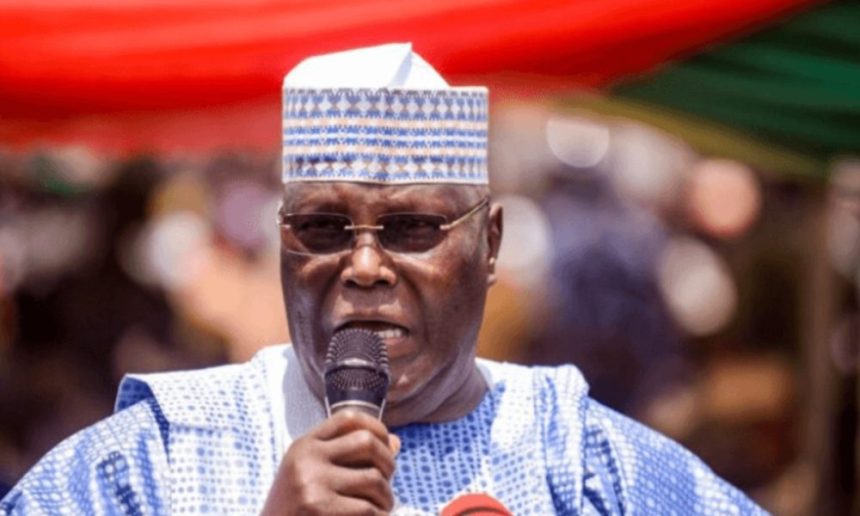
Former Vice President Atiku Abubakar has alleged that there are ongoing efforts to disenfranchise voters in Northern Nigeria ahead of the 2027 general elections. His claim, made in a statement on April 27, 2026, has added to growing political tensions as early preparations and alignments begin to surface across the country.
Atiku, who has been a prominent figure in Nigeria’s opposition politics, warned that any attempt to undermine voter participation in the region could threaten the credibility of the electoral process. He called on relevant authorities, including the Independent National Electoral Commission (INEC), to ensure that all eligible Nigerians are able to exercise their voting rights without hindrance.
According to the former presidential candidate, the alleged plot could involve administrative or logistical actions that might limit voter access, particularly in parts of Northern Nigeria where turnout has historically played a significant role in national election outcomes. However, he did not provide detailed evidence publicly to substantiate the claims at the time of his statement.
The remarks come amid increasing political activity ahead of the 2027 elections, with parties and key figures beginning to position themselves for what is expected to be another closely contested race. Analysts note that such allegations, whether proven or not, can influence public perception and shape political narratives in the lead-up to elections.
Atiku urged electoral authorities and security agencies to remain vigilant and uphold democratic principles. He emphasized the importance of transparency, fairness, and inclusivity in the electoral process, noting that public trust in elections depends on the assurance that every vote counts.
In response to the allegations, there has been no immediate official confirmation of any such plan from INEC or other government bodies. Election officials have consistently maintained their commitment to conducting free, fair, and credible elections across all regions of the country.
Political observers suggest that claims of potential disenfranchisement are not uncommon in Nigeria’s political landscape, particularly as elections approach. Such concerns often reflect broader anxieties about electoral integrity, logistics, and the equitable distribution of voting infrastructure.
The issue of voter access in Northern Nigeria has been a recurring topic in past elections, with challenges ranging from security concerns to logistical constraints. Ensuring that these issues are addressed remains critical to maintaining confidence in the democratic process.
Atiku’s statement is likely to prompt further debate among political stakeholders, civil society groups, and election monitors. Calls for increased oversight, improved planning, and stronger safeguards are expected to intensify as the country moves closer to the 2027 polls.
As the situation develops, attention will remain on how electoral authorities respond to such concerns and what measures will be put in place to guarantee that all Nigerians, regardless of region, can participate fully in the democratic process.