
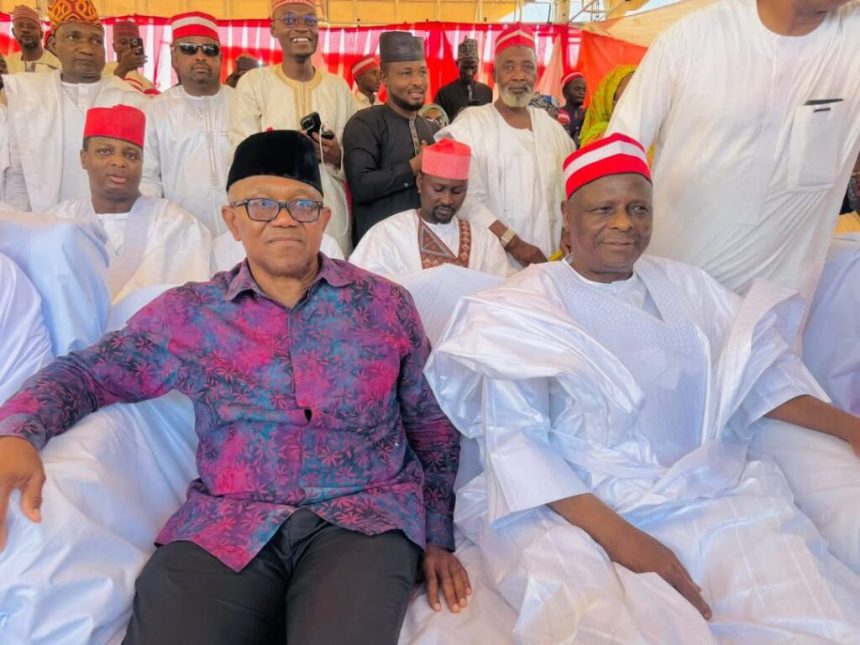
Nigeria’s political landscape is witnessing renewed maneuvering ahead of future elections, as the National Democratic Coalition (NDC) is reportedly making strategic moves to draw prominent opposition figures Peter Obi and Rabiu Musa Kwankwaso into its fold by offering a presidential ticket.
Sources familiar with the development indicate that the NDC, which has been working to expand its influence and relevance, views both Obi and Kwankwaso as key figures capable of reshaping the political equation. The effort is seen as part of a broader attempt to consolidate opposition strength and present a formidable alternative to the country’s dominant political parties.
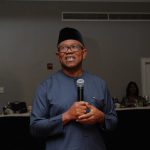
Peter Obi, the former governor of Anambra State and presidential candidate of the Labour Party in the 2023 elections, remains a significant figure with a strong grassroots following, particularly among young voters. His campaign previously energized a large segment of the electorate, positioning him as a symbol of reform and accountability.
Rabiu Musa Kwankwaso, a former governor of Kano State and candidate of the New Nigeria Peoples Party (NNPP), also commands substantial political influence, especially in northern Nigeria. His Kwankwasiyya movement has maintained a loyal base, making him a critical player in any coalition-building effort.
The NDC’s reported proposal is aimed at leveraging the strengths of both leaders to create a unified front. Analysts suggest that such a move could potentially alter the balance of power if it leads to a merger or strategic alliance among opposition groups.
While details of the offer remain unclear, insiders suggest that the coalition is willing to negotiate terms that would accommodate either Obi or Kwankwaso as its presidential candidate. This approach reflects the NDC’s recognition of the importance of credibility, popularity, and regional balance in Nigerian politics.
Political observers note that attempts to form alliances among opposition figures are not new in Nigeria, but they often face challenges related to leadership disputes, ideological differences, and competing ambitions. Whether the NDC can overcome these hurdles remains uncertain.
Supporters of Obi have emphasized his commitment to running on a platform of transparency, economic reform, and good governance. Any potential shift in allegiance would likely depend on assurances that these priorities would remain central to the coalition’s agenda.
Similarly, Kwankwaso’s camp has consistently highlighted issues of social welfare, education, and regional development. Aligning with the NDC would require guarantees that these concerns are adequately addressed within any joint framework.
There has been no official confirmation from either Obi or Kwankwaso regarding the reported offer. Both politicians have remained relatively cautious in their public statements, focusing instead on their ongoing political activities and engagements with supporters.
The NDC, for its part, has not publicly disclosed specifics but has reiterated its commitment to fostering unity among like-minded political actors. Representatives of the coalition have emphasized the need for collaboration in order to strengthen democratic processes and provide voters with credible alternatives.
Experts argue that if successful, the NDC’s initiative could signal a shift toward more coalition-driven politics in Nigeria. Such a development could encourage broader participation and competition, potentially enhancing the overall quality of governance.
However, skepticism remains about the feasibility of bringing together strong personalities with established political structures. Past efforts at coalition-building have often struggled to maintain cohesion over time, particularly when confronted with internal disagreements.
As political activities continue to evolve, attention will remain on how Obi and Kwankwaso respond to the reported overtures. Their decisions could have significant implications for the direction of opposition politics in Nigeria and the prospects for future electoral contests.
For now, the situation underscores the dynamic nature of Nigeria’s political environment, where alliances, negotiations, and strategic positioning play a central role in shaping outcomes.