
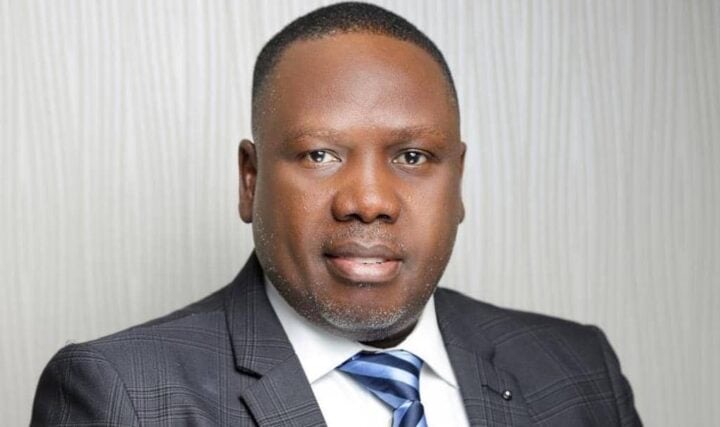
Daniel Bwala, Special Adviser to President Bola Tinubu on Media and Policy Communication, has expressed skepticism about the electoral prospects of former Vice President Atiku Abubakar ahead of the 2027 presidential election.
Speaking during an interview on Symfoni TV, Bwala said he believes Atiku may face greater political challenges in 2027 than he did during the 2023 election, citing what he described as a decline in support from influential political figures.
According to Bwala, one of his concerns is that Labour Party’s former presidential candidate, Peter Obi, or another opposition contender could attract more votes than Atiku in the next general election.
“I fear Peter Obi might get more votes than Atiku Abubakar in the 2027 election, and my other fear is that he might come a distant fourth,” Bwala said.
He argued that such an outcome could have implications for Atiku’s political legacy, particularly if the 2027 contest proves to be his final attempt to become Nigeria’s president.
“If that happens, his legacy as a politician in his last attempt could be affected,” he added.
Bwala pointed to what he sees as significant differences between Atiku’s political position in 2023 and the current situation ahead of the next election cycle.
He noted that during the 2023 presidential election, Atiku benefited from the support of several Peoples Democratic Party (PDP) governors, senators, and members of the House of Representatives. According to him, the former vice president does not currently enjoy the same level of backing from prominent political officeholders.
“In the 2023 election, the PDP had several governors, senators, and Reps who supported him, but right now, there is not a single governor backing him,” Bwala stated.
The presidential aide also questioned Atiku’s historical electoral strength in the North-West region, arguing that the former vice president has not traditionally secured dominant support from the zone.
“The fact remains that Atiku Abubakar has never historically commanded more votes from the North-West in his political career,” he said.
Atiku, who served as Nigeria’s vice president from 1999 to 2007, remains one of the country’s most prominent opposition figures. He has contested the presidency multiple times and was the PDP’s candidate in the 2023 election.
Although political parties have yet to formally begin campaigns for the 2027 election, discussions about possible candidates, alliances, and party realignments have already intensified across the political landscape.
Bwala’s comments come amid ongoing speculation about the future of opposition politics in Nigeria and the possibility of new coalitions emerging before the next general election. Political observers note that the strength of support from governors and other influential officeholders often plays a significant role in presidential campaigns.
Supporters of Atiku have previously argued that the former vice president retains a nationwide political network and substantial grassroots support. They contend that political alignments could shift considerably before the 2027 election.
Analysts caution that predictions about election outcomes remain speculative at this stage, given the fluid nature of Nigerian politics and the likelihood of changes in party structures, alliances, and candidate selections over the coming years.
Bwala’s remarks have nevertheless added to growing debates over the prospects of leading political figures and the shape of the contest that could emerge as Nigeria moves closer to the 2027 presidential election.