
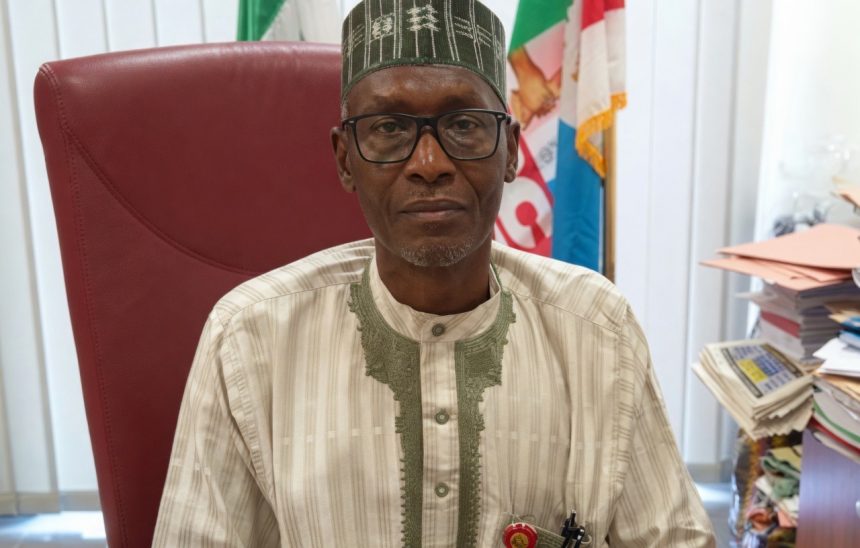
Political commentator Abubakar Yusuf has cautioned President Bola Tinubu against relying heavily on governors of the All Progressives Congress (APC) as he looks ahead to the 2027 general elections. Yusuf warned that political dynamics within the ruling party and across states may not guarantee automatic support, urging a broader strategy to secure voter confidence nationwide.
Yusuf made the remarks while assessing the current political climate and the role of state governors in shaping electoral outcomes. He noted that while governors often wield significant influence within their states, their loyalty and effectiveness during national elections can vary. According to him, political alliances are fluid, and past experiences have shown that support from party structures does not always translate into electoral success.
He argued that Tinubu should instead focus on strengthening direct engagement with citizens and addressing key national issues that affect voters. Yusuf emphasized that public perception of governance, economic performance, and security conditions would play a more decisive role in determining electoral outcomes than endorsements from state leaders.
The analyst pointed out that internal party disagreements and shifting interests among political actors could weaken coordinated support. He said governors may prioritize local political calculations or personal ambitions, which might not always align with national campaign strategies. This, he suggested, makes it risky for any presidential candidate to depend solely on party leadership at the state level.
Yusuf also highlighted the importance of building a broad-based coalition that extends beyond party lines. He encouraged outreach to different regions, demographics, and interest groups, noting that inclusive political engagement could strengthen electoral prospects. According to him, cultivating grassroots support and maintaining consistent communication with the electorate are critical factors in modern campaigns.
In addition, he stressed the need for tangible policy achievements. Delivering on campaign promises, improving economic conditions, and addressing security challenges were identified as essential steps to win public trust. Yusuf maintained that voters are increasingly focused on results and accountability rather than party affiliations alone.
The warning comes amid ongoing discussions about the future of Nigeria’s political landscape and the strategies that could shape the next election cycle. Observers note that while incumbency can offer advantages, it does not guarantee victory, particularly in a competitive and evolving democratic environment.
Yusuf concluded that a diversified political approach would better position Tinubu for 2027. By combining governance performance with widespread voter engagement and strategic alliances, he said the president could strengthen his chances without overreliance on any single group within the party.
The comments add to broader debates about party cohesion and electoral strategy in Nigeria. As political actors begin to look toward the next general elections, analysts continue to stress the importance of adaptability, performance, and public trust in determining future outcomes.