

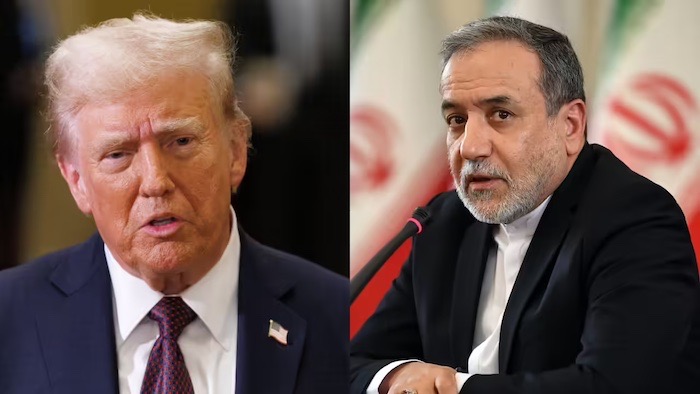
Efforts to revive negotiations between the United States and Iran have stalled after former President Donald Trump abruptly canceled a planned trip by U.S. envoys to Pakistan, according to officials familiar with the matter. The decision disrupted a diplomatic channel that had been expected to support indirect talks between Washington and Tehran.
The envoys were scheduled to travel to Pakistan as part of a broader strategy to coordinate regional diplomacy tied to the ongoing nuclear discussions. Pakistan has historically played a quiet intermediary role in facilitating communication between the U.S. and Iran, particularly during periods of heightened tension.
Sources said the cancellation came at a sensitive moment, when negotiators were attempting to narrow differences over Iran’s nuclear program and sanctions relief. The sudden halt in travel plans removed a key opportunity for backchannel engagement, contributing to the current deadlock.
U.S.–Iran talks have been intermittent for months, with both sides struggling to agree on a framework to revive or replace the 2015 nuclear deal. That agreement, formally known as the Joint Comprehensive Plan of Action, placed limits on Iran’s nuclear activities in exchange for sanctions relief. Trump withdrew the U.S. from the deal during his presidency, a move that continues to shape negotiations.
Iran has since expanded aspects of its nuclear program beyond the limits set in the original agreement. Western officials argue that these steps have reduced the time Iran would need to develop a nuclear weapon, while Tehran maintains its program is for peaceful purposes.
Diplomatic efforts to restart meaningful talks have relied heavily on intermediaries, as direct negotiations between U.S. and Iranian officials remain limited. Countries such as Oman and Qatar have also played roles in facilitating communication, but Pakistan’s involvement was viewed as particularly useful in the latest round of outreach.
Officials indicated that the canceled trip had been intended to align regional stakeholders and explore potential compromises. Without that engagement, progress has slowed, and both sides have hardened their positions in recent weeks.
The decision to cancel the trip has not been publicly explained in detail. However, analysts suggest it may reflect broader strategic calculations about U.S. priorities in the region, as well as domestic political considerations.
The pause in talks comes amid rising tensions across the Middle East. Ongoing conflicts and shifting alliances have added complexity to the diplomatic landscape, making it more difficult to sustain focused negotiations on the nuclear issue alone.
Iranian officials have expressed frustration with the lack of progress and have called for clearer commitments from the United States regarding sanctions relief. U.S. representatives, meanwhile, have emphasized the need for Iran to roll back its nuclear advancements before any significant concessions can be made.
Observers warn that the longer negotiations remain stalled, the greater the risk of escalation. Without a diplomatic path forward, both sides could resort to more confrontational measures, further destabilizing the region.
Despite the setback, some officials remain cautiously optimistic that talks could resume if conditions change. Diplomatic channels remain open through other intermediaries, and there is ongoing interest on both sides in avoiding a complete breakdown.
For now, however, the cancellation of the Pakistan trip has underscored the fragility of the negotiation process and the challenges of rebuilding trust after years of strained relations.