

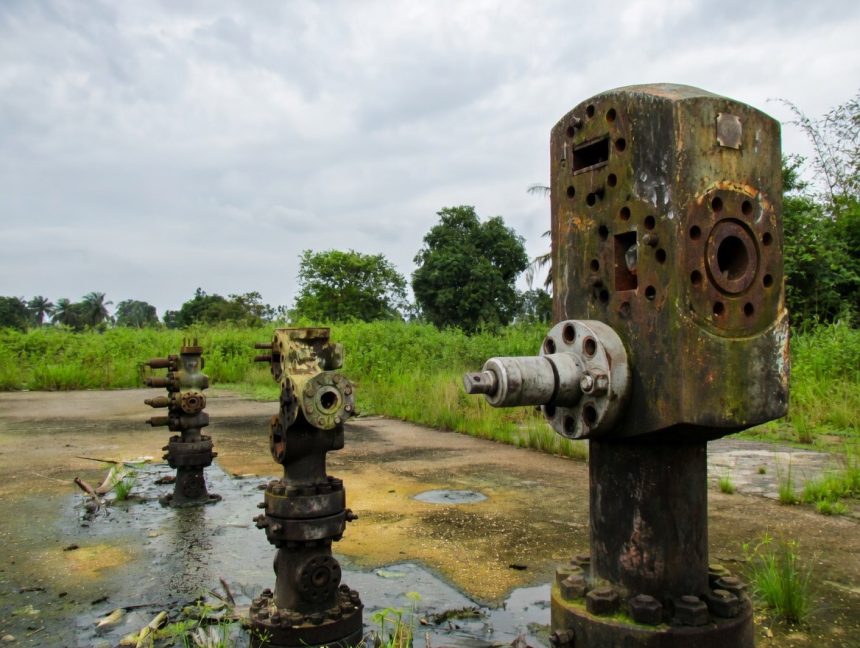
Nigeria has lost an estimated $226.734 billion in revenue due to the prolonged suspension of crude oil production from 96 wells in Ogoniland, Rivers State, over the past 32 years. The shutdown, which began in the early 1990s, has significantly impacted the country’s oil earnings and highlighted the long-standing challenges in the Niger Delta region.
The suspension of operations in Ogoniland followed widespread environmental concerns, community unrest, and disputes between oil companies and local residents. These issues led to the halting of production activities, leaving dozens of oil wells inactive for more than three decades.
Industry data indicates that the cumulative financial loss reflects the scale of crude oil that could have been produced during this period. Nigeria, which relies heavily on oil exports for government revenue and foreign exchange, has felt the impact of the shutdown on its overall economic performance.
Ogoniland, once a major contributor to Nigeria’s oil output, has remained largely inactive despite various efforts by the government to address environmental degradation and community grievances. Oil spills, pollution, and inadequate remediation measures have been central to the concerns raised by host communities.
The United Nations Environment Programme (UNEP) had previously conducted an assessment of Ogoniland, recommending extensive cleanup efforts to restore the environment. While the Nigerian government launched the Hydrocarbon Pollution Remediation Project (HYPREP) to implement these recommendations, progress has been gradual, and full-scale oil production has yet to resume.
Stakeholders in the region have continued to call for a comprehensive resolution that balances environmental restoration with economic development. Community leaders have emphasized the need for transparency, accountability, and meaningful engagement in any plans to restart oil operations.
Experts note that the estimated $226.734 billion loss underscores the broader cost of unresolved conflicts and environmental neglect in resource-rich regions. They argue that beyond revenue losses, the shutdown has also affected job creation, local development, and investor confidence in Nigeria’s oil sector.
There have been periodic discussions about the possibility of resuming oil production in Ogoniland, but these talks have often been met with caution. Concerns remain over whether the necessary environmental and social conditions have been adequately addressed to prevent a repeat of past issues.
Government officials have reiterated their commitment to completing the cleanup of polluted sites and ensuring that any future oil activities adhere to stricter environmental standards. However, timelines for both the cleanup and potential resumption of production remain uncertain.
The situation in Ogoniland continues to serve as a significant example of the intersection between environmental sustainability, community rights, and economic interests. As Nigeria seeks to maximize its oil resources while addressing legacy challenges, the long-standing shutdown of Ogoniland’s oil wells remains a critical issue for policymakers and stakeholders alike.