

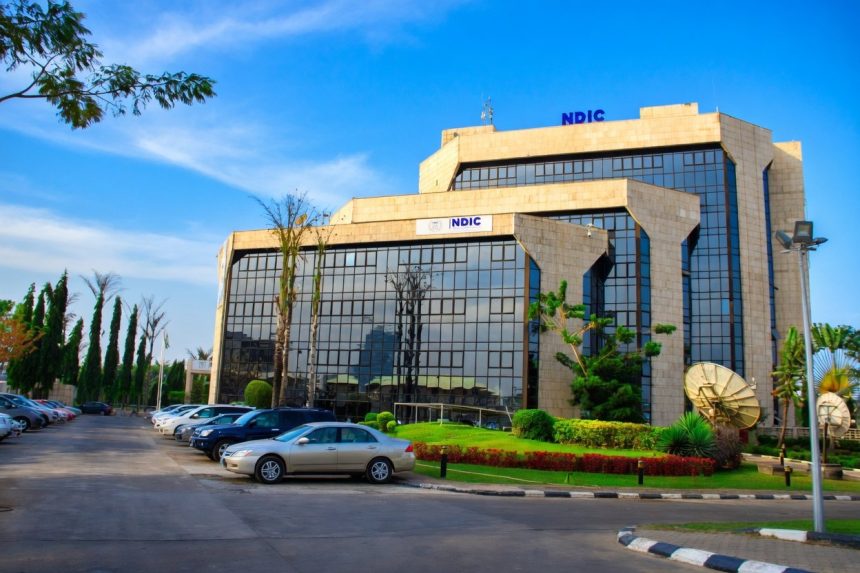
The Nigeria Deposit Insurance Corporation (NDIC) has commenced the process of dissolving 89 defunct microfinance banks and one primary mortgage bank following their successful resolution under the Purchase and Assumption (P&A) model. The move marks a significant step in the clean-up of Nigeria’s financial system and the conclusion of efforts to address the failure of the affected institutions.
The affected banks had previously been declared insolvent, prompting regulatory intervention to protect depositors and maintain stability in the financial sector. Under the P&A model, the NDIC facilitated the transfer of assets and liabilities of the failed banks to healthier financial institutions, ensuring that customers retained access to their funds.
According to officials, the resolution process allowed depositors to continue banking operations seamlessly with acquiring institutions, thereby minimizing disruptions and restoring confidence in the system. The approach is widely regarded as an effective mechanism for handling distressed banks without causing panic among customers.
With the resolution phase completed, the NDIC is now proceeding with the formal winding-up of the defunct entities. This involves dissolving their legal status after ensuring that all obligations, including depositor reimbursements and asset transfers, have been adequately addressed.
The corporation noted that the action is in line with its statutory mandate to supervise failed financial institutions and ensure orderly resolution processes. By removing the defunct banks from the financial system, the NDIC aims to strengthen regulatory oversight and promote a healthier banking environment.
Industry observers say the dissolution underscores the importance of maintaining strict compliance with regulatory standards among financial institutions. Many of the affected microfinance banks had struggled with issues such as poor corporate governance, weak capital bases, and operational inefficiencies before their eventual failure.
The inclusion of a primary mortgage bank in the dissolution process also highlights broader challenges within specialized banking segments. Analysts note that mortgage institutions in Nigeria have faced constraints such as limited access to long-term funding and low mortgage penetration rates.
NDIC officials emphasized that the P&A model remains a preferred resolution strategy due to its ability to safeguard depositors while ensuring continuity of banking services. The corporation reiterated its commitment to protecting the interests of depositors and maintaining public confidence in the financial system.
The clean-up exercise is expected to send a strong signal to market participants about the consequences of non-compliance and financial mismanagement. Regulators have continued to stress the need for improved governance, risk management, and adherence to prudential guidelines across the banking sector.
As the dissolution process moves forward, the NDIC is also likely to focus on recovering outstanding assets from the failed institutions to offset the cost of resolution. This includes pursuing debtors and liquidating remaining assets where necessary.
The development reflects ongoing efforts by Nigerian financial authorities to reinforce stability, enhance accountability, and ensure that only sound and well-managed institutions operate within the banking system.