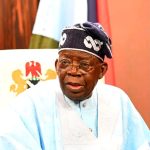

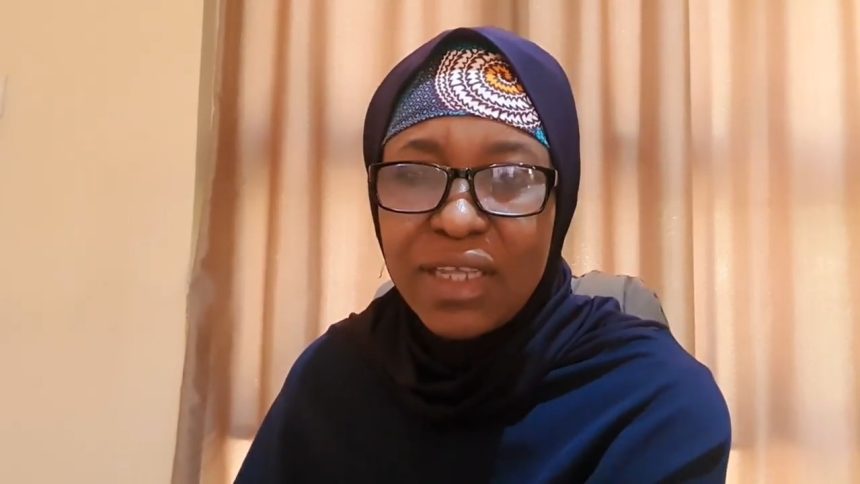
Activist Aisha Yesufu has said that political actors are already uneasy about the 2027 general elections, describing President Bola Tinubu as facing a potential “nightmare” from emerging opposition forces. Her remarks come amid growing political conversations about alliances and strategies ahead of the next electoral cycle in Nigeria.
Yesufu, a prominent voice in civic advocacy and political discourse, argued that recent developments suggest rising anxiety within the ruling establishment. She did not point to a single event but referenced a pattern of actions and rhetoric that, in her view, indicate concern about the strength of possible challengers.
Her comments were made during a public discussion where she addressed the evolving political landscape and the role of opposition movements. According to Yesufu, citizens and political groups dissatisfied with current governance are beginning to organize in ways that could significantly influence the 2027 elections.
She suggested that this emerging momentum is creating pressure on the ruling All Progressives Congress (APC), which secured victory in the 2023 presidential election. Yesufu maintained that political competition is intensifying and that new alignments could reshape voter dynamics in the coming years.
The activist has been known for her involvement in campaigns focused on accountability, electoral reform, and citizen participation. Her latest remarks continue that trend, as she called on Nigerians to remain engaged in the democratic process and to hold leaders accountable.
Yesufu also emphasized that political change requires sustained effort rather than last-minute mobilization. She encouraged voters to pay attention to governance issues now, rather than waiting until election periods to make decisions.
Her reference to a “nightmare” scenario for President Tinubu appears to center on the possibility of a unified opposition front. Analysts have noted that fragmentation among opposition parties has historically weakened their chances in national elections, but discussions about coalition-building have intensified since 2023.
Reactions to Yesufu’s statement have been mixed. Some supporters agree with her assessment that political dissatisfaction could translate into stronger opposition, while others argue that it is too early to draw conclusions about the 2027 race.
Members of the ruling party have not formally responded to her remarks, but APC officials have previously expressed confidence in the administration’s performance and its prospects in future elections. They have pointed to ongoing policy initiatives and reforms as evidence of their commitment to governance.
Political observers say that while early narratives can shape public perception, much will depend on economic conditions, security developments, and the ability of opposition groups to build credible platforms. The next election cycle remains several years away, leaving room for significant changes in the political environment.
Yesufu concluded by reiterating the importance of civic engagement, stressing that democratic outcomes ultimately depend on the choices and participation of voters. She framed the 2027 election as an opportunity for Nigerians to reassess their priorities and direction as a country.
As discussions around the future political landscape continue, statements like Yesufu’s highlight the growing attention already being paid to the next presidential contest, even at this early stage.