

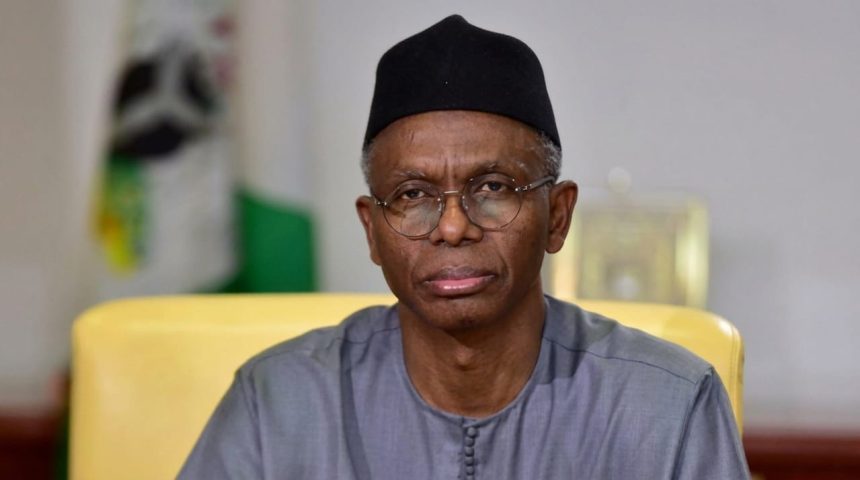
A court has ordered the remand of former Kaduna State governor, Nasir El-Rufai, in a development that could prevent him from participating in the upcoming African Democratic Congress (ADC) presidential primary. The decision was issued following legal proceedings whose details have not been fully disclosed publicly, but the ruling has already triggered political reactions across party lines.
El-Rufai, a prominent figure in Nigerian politics and a former minister of the Federal Capital Territory, had been considered a potential contender in the ADC’s presidential race. His possible absence from the primary is expected to reshape the dynamics within the party, as supporters and rivals reassess their strategies ahead of the nomination process.
The court’s decision to remand him means he will remain in custody pending further hearings. Legal analysts note that such rulings are typically based on considerations including ongoing investigations, risk of interference with witnesses, or the need to ensure the accused’s presence during trial proceedings.
The timing of the remand has drawn particular attention because it coincides with a critical phase in the ADC’s preparations for its presidential primary. Party officials have not yet issued a detailed statement on how the situation will affect the schedule or eligibility requirements for aspirants.
Political observers suggest that El-Rufai’s absence could create an opening for other contenders seeking the party’s ticket. Some within the ADC had viewed him as a strong candidate due to his experience in governance and national visibility. Others, however, had expressed concerns about his polarizing reputation and the potential impact on the party’s broader electoral appeal.
Reactions from El-Rufai’s allies have been swift, with some describing the court action as politically motivated. They argue that the timing raises questions about fairness and due process, especially given the proximity to the primary election. However, no official evidence has been presented to substantiate claims of political interference.
On the other hand, legal experts emphasize that the judiciary operates independently and that court decisions should be evaluated based on legal merit rather than political interpretation. They caution against drawing premature conclusions before the full details of the case are made available.
The ADC, a smaller but increasingly active political party in Nigeria, has been working to position itself as a viable alternative to the country’s dominant parties. The uncertainty surrounding a high-profile aspirant like El-Rufai presents both challenges and opportunities for the party as it seeks to strengthen its internal processes and public image.
As the situation unfolds, attention is expected to focus on the next court hearing and any potential legal remedies that El-Rufai’s team may pursue. Options could include applying for bail or seeking an expedited hearing, depending on the specifics of the charges and the court’s schedule.
For now, the immediate implication is that El-Rufai’s ability to participate in the ADC presidential primary remains in doubt. Party stakeholders and political analysts alike will be watching closely to see how both the legal proceedings and the party’s internal decisions develop in the coming days.
The outcome could have broader implications not only for El-Rufai’s political future but also for the ADC’s positioning ahead of national elections.