

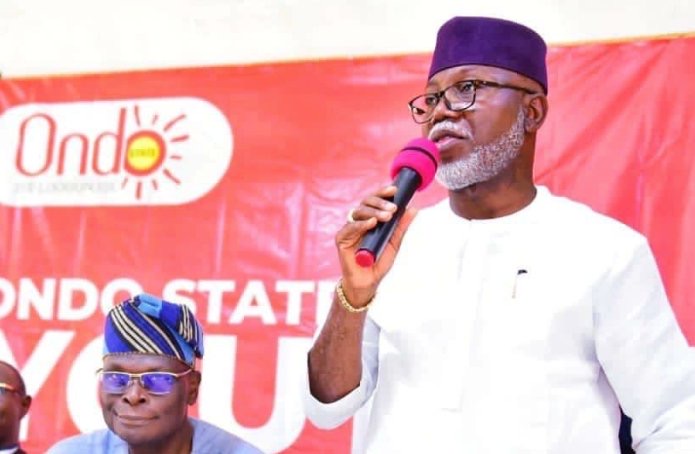
Governor of Ondo State, Lucky Aiyedatiwa, has called on Nigerian universities to focus on training adaptable leaders capable of driving innovation and responding to the demands of a rapidly changing global economy.
He emphasized that higher education institutions must play a central role in preparing students with the skills needed to navigate technological advancements and economic shifts. According to the governor, the future of Nigeria’s growth depends heavily on the quality and relevance of its education system.
Aiyedatiwa made the remarks while highlighting the importance of aligning academic curricula with real-world challenges. He noted that universities should move beyond traditional teaching methods and adopt approaches that encourage critical thinking, creativity, and problem-solving.
The governor stressed that adaptability has become a key requirement in today’s workforce, particularly as technology continues to reshape industries. He urged institutions to equip students with both technical knowledge and the flexibility to adjust to new environments and emerging opportunities.
He also pointed to the role of innovation in national development, arguing that universities should serve as hubs for research and technological advancement. By fostering a culture of innovation, he said, institutions can contribute significantly to economic expansion and global competitiveness.
Aiyedatiwa further noted that collaboration between academia, industry, and government is essential to achieving meaningful progress. He encouraged stronger partnerships that would allow students to gain practical experience and better understand market needs.
The governor underscored the need for investment in educational infrastructure and resources to support effective learning. He said that modern facilities and access to digital tools are critical for preparing students to compete in a technology-driven world.
In addition, he highlighted the importance of entrepreneurship education, urging universities to inspire students to create jobs rather than rely solely on existing opportunities. He said this approach would help address unemployment and stimulate economic activity.
Aiyedatiwa maintained that education remains one of the most powerful tools for national transformation. He reiterated that building a skilled and adaptable workforce is essential for Nigeria to achieve sustainable development and long-term economic stability.
His remarks reflect ongoing discussions about the need to reform Nigeria’s education system to better align with global trends and domestic priorities. Stakeholders continue to advocate for changes that will enhance the capacity of universities to produce graduates who can effectively contribute to national growth.