

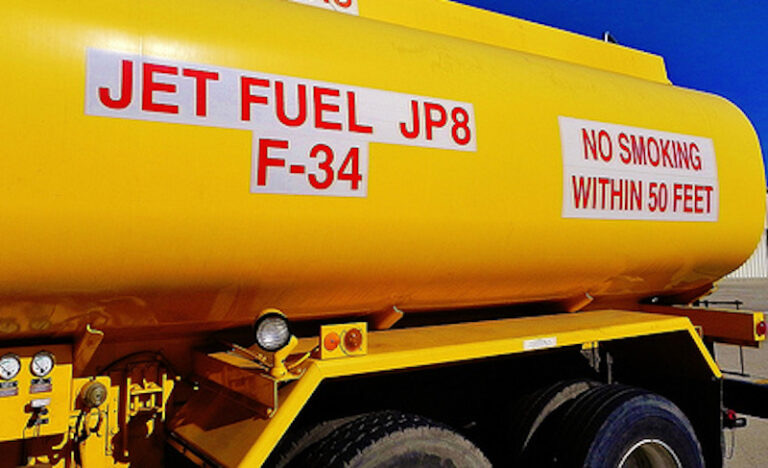
Europe is experiencing a sharp increase in jet fuel imports from Nigeria and the United States as the region grapples with a growing supply shortage. The surge in inflows comes at a time when airlines are beginning to cut flight volumes due to rising fuel costs and tightening availability.
The International Energy Agency (IEA) has warned that Europe’s current jet fuel reserves may last only about six weeks, highlighting the urgency of the situation. The limited supply has raised concerns across the aviation sector, with industry operators bracing for further disruptions if conditions do not improve.
The spike in imports from Nigeria and the U.S. reflects Europe’s efforts to bridge the supply gap and stabilize its aviation fuel market. Analysts say the shift underscores the continent’s increasing dependence on external suppliers as domestic production struggles to keep pace with demand.
Airlines operating within and beyond Europe have already begun adjusting their schedules in response to higher operating costs. Some carriers are reducing the number of flights, while others are exploring cost-cutting measures to manage the financial impact of elevated fuel prices.
Industry experts note that jet fuel is one of the most significant expenses for airlines, and any sustained increase in cost or reduction in supply can have wide-reaching effects on the sector. Reduced flight frequencies could also affect passenger travel, cargo movement, and overall economic activity.
The situation has been compounded by broader global energy market pressures, including supply chain disruptions and geopolitical uncertainties. These factors have contributed to volatility in fuel prices, making it more difficult for European countries to secure stable and affordable supplies.
Nigeria’s role in supplying jet fuel to Europe has gained prominence amid the current shortage. As one of Africa’s major oil producers, the country is positioned to support international markets, although its own refining and export capacities continue to evolve.
Similarly, the United States has increased its exports to Europe, helping to offset some of the shortfall. The transatlantic supply link has become increasingly important as European nations seek to diversify their sources of energy and reduce vulnerability to regional disruptions.
Despite these efforts, concerns remain about the sustainability of the current supply levels. The IEA’s warning about limited reserves has intensified calls for coordinated action among European governments and industry stakeholders to manage the crisis effectively.
Possible responses include strategic fuel reserves, improved supply chain coordination, and policies aimed at boosting domestic production. However, such measures may take time to implement, leaving the aviation sector exposed to near-term risks.
The ongoing jet fuel crunch highlights the broader challenges facing global energy markets, where supply constraints and rising demand continue to create uncertainty. For Europe, the immediate priority remains securing sufficient fuel to maintain aviation operations while navigating the economic implications of higher costs.
As the situation develops, airlines, policymakers, and energy providers are expected to closely monitor supply levels and adjust their strategies accordingly. The record inflows from Nigeria and the United States may provide temporary relief, but long-term solutions will be critical to ensuring stability in Europe’s aviation fuel market.