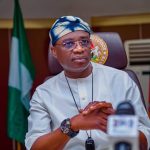


Former Legal Adviser of the Ijaw Youths Council (IYC) Worldwide and aspirant for the office of Secretary General of the organization, Barr. Ayebakuro Igbeta, Ph.D, has called on Ijaw people across the world to unite politically amid rising tensions surrounding the political future of Rivers State.
Igbeta made the remarks on May 22, 2026, while speaking with journalists shortly after completing his screening before the IYC Electoral Committee in Warri, Delta State. His comments focused largely on the political developments in Rivers State and the growing influence of the Minister of the Federal Capital Territory (FCT) and former Rivers State Governor, Nyesom Wike.
The IYC chieftain described Wike’s actions in Rivers politics as “manifestly tyrannical and undemocratic,” particularly in relation to Governor Siminalayi Fubara and the ongoing political crisis in the state.
According to Igbeta, the political environment in Rivers State since the emergence of Fubara as governor has become increasingly tense, with what he described as sustained efforts to weaken the governor politically. He alleged that Wike was determined to portray Fubara as a political mistake and remove him from influence by all means possible.
Speaking on the situation, Igbeta said the crisis had gone beyond an individual political disagreement and had evolved into a wider ethnic and political issue involving the Ijaw people in Rivers State.
He expressed disappointment over what he described as the inability of Ijaw stakeholders to collectively respond to statements and actions allegedly directed against the ethnic group. According to him, the silence of political leaders and influential voices within the Ijaw nation had emboldened opponents who now perceive the group as politically weak and vulnerable.
Igbeta stated that although Governor Fubara is an Ijaw man, the current political situation should not be viewed solely as a personal struggle involving the governor. Rather, he said it should be seen as part of a broader concern about political inclusion, equity, and representation for the Ijaw people in Rivers State.
The IYC aspirant further accused Wike of attempting to retain political power within the Ikwerre ethnic group after what he said had already been 16 years of Ikwerre leadership in Rivers State before the emergence of Fubara.
He argued that the riverine communities in the state deserved the opportunity to complete at least two terms in office before power rotates again to the upland areas.
According to Igbeta, the situation requires unity and strategic political engagement from Ijaw leaders and youths rather than despair or internal division. He called on prominent Ijaw figures from different sectors to rally together and support a common political direction capable of countering what he described as ethnic domination and political marginalization.
He maintained that democracy should be guided by fairness, participation, and the strength of collective numbers rather than the influence of powerful individuals.
While calling for stronger political resistance, Igbeta emphasized that he was not advocating violence or armed confrontation. Instead, he urged Ijaw people to pursue lawful and organized political action in response to the current realities in Rivers State.
He said the objective should be to build a united front that can effectively protect the political interests of the Ijaw nation while preserving peace and democratic order.
Igbeta also remarked that political power ultimately rests in divine hands, adding that no individual should see political influence as permanent or absolute. He stated that despite the perceived political leverage enjoyed by some actors within the current administration, leadership and authority remain subject to higher forces beyond human control.
The former IYC Legal Adviser further argued that the Ijaw people in Rivers State should remain encouraged by their demographic and political strength, including the number of local government areas controlled by riverine communities.
According to him, the demand for sustained Ijaw leadership in the state is based on fairness and justice, especially considering the history of political power rotation in Rivers State.
He warned that failure by the Ijaw nation to unite at this critical moment could have long-term consequences for its political relevance and bargaining power within the Niger Delta and Nigeria as a whole.
Igbeta concluded by urging Ijaw leaders and youths to recognize the seriousness of the current political situation and work collectively toward protecting the interests of their people through democratic means.