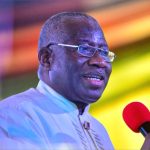


Content creator and comedian Kevinblak has alleged that he was offered financial incentives to reduce the critical tone of his anti-government skits, raising concerns about attempts to influence digital expression and political commentary.
Kevinblak made the claim while speaking about his experiences as a social media personality known for producing satirical content that often addresses governance and public policy issues. He said the offer was presented as an opportunity to “adjust” the messaging in his videos, particularly those that criticize government actions.
According to him, the proposal involved being paid in foreign currency, specifically U.S. dollars, in exchange for softening his stance. He did not disclose the identity of the individuals or groups behind the offer but suggested that the intent was to shape public perception by reducing dissenting voices online.
He explained that his skits are designed to reflect the concerns of ordinary citizens and to spark conversations about accountability. As a result, he said he found the offer troubling, as it sought to undermine the independence of his content and potentially mislead his audience.
Kevinblak stated that he declined the offer, emphasizing that maintaining credibility with his followers was more important than financial gain. He added that accepting such an arrangement would compromise the authenticity of his work and erode public trust in digital creators.
The comedian also noted that social media has become a powerful platform for civic engagement, especially among younger audiences. He argued that attempts to influence creators behind the scenes could have broader implications for freedom of expression and the integrity of online discourse.
While he did not provide concrete evidence of the alleged offer, his remarks have sparked discussions about the pressures faced by influencers who engage in political commentary. Some observers say the situation highlights the growing intersection between entertainment, activism, and political communication in the digital age.
Others have pointed out that such claims are difficult to verify but raise important questions about transparency and ethical standards within the content creation industry. The lack of formal regulation in this space, they argue, can make it challenging to identify and address potential manipulation.
Kevinblak called on fellow creators to remain mindful of their influence and to prioritize honesty in their work. He encouraged audiences to critically evaluate the content they consume and to be aware that not all messaging online may be independent.
The allegation comes at a time when debates over media influence and political messaging continue to intensify. As governments, organizations, and individuals increasingly turn to digital platforms to shape narratives, concerns about undue influence and covert sponsorship have become more prominent.
Analysts note that the situation reflects a broader global trend in which online personalities are seen as key players in shaping public opinion. This has led to increased scrutiny of how content is produced, funded, and distributed.
Kevinblak’s claims, whether substantiated or not, contribute to ongoing conversations about the role of influencers in society and the importance of safeguarding the independence of creative expression in an increasingly interconnected media environment.