

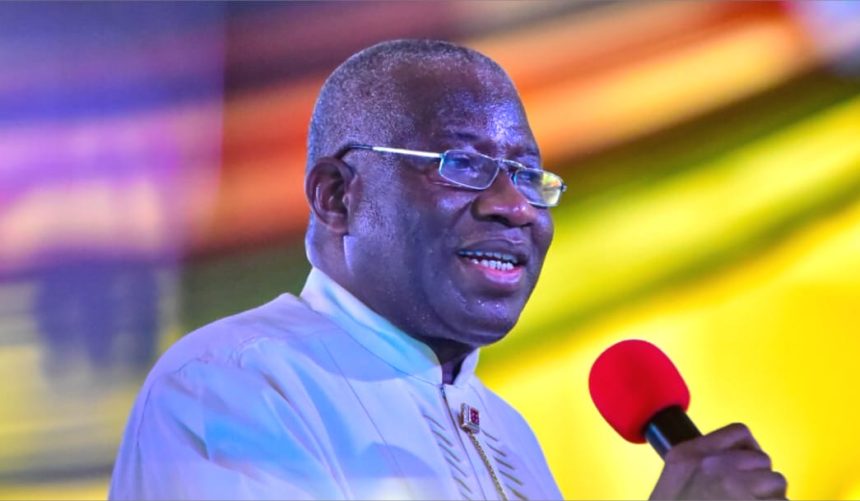
Former Nigerian President Goodluck Jonathan has responded to recent criticisms from his predecessor, Atiku Abubakar, firmly defending his performance while in office and addressing claims about his administration’s legacy. The exchange highlights ongoing political tensions among key figures in Nigeria’s political landscape as debates over governance and past leadership continue.
Jonathan’s response comes after Atiku made remarks questioning aspects of his administration, particularly in relation to economic management and national development. In his statement, Jonathan rejected the criticisms, arguing that his government made measurable progress in several sectors despite the challenges it faced during its tenure.
He emphasized that his administration prioritized stability and democratic consolidation, noting that Nigeria experienced a relatively peaceful political climate during his tenure. Jonathan pointed to the successful conduct of elections and the eventual peaceful transfer of power in 2015 as evidence of his commitment to democratic principles.
According to Jonathan, his government also made significant strides in infrastructure, education, and agriculture. He highlighted efforts to improve road networks, expand access to electricity, and implement reforms aimed at boosting food production. He argued that these initiatives laid the groundwork for long-term national development, even if some projects were not fully completed before he left office.
Jonathan also addressed economic concerns raised by Atiku, stating that global factors, including fluctuations in oil prices, played a major role in shaping Nigeria’s economic conditions during his presidency. He maintained that his administration took steps to mitigate these challenges, including diversifying the economy and encouraging investment in non-oil sectors.
In his response, Jonathan called for a more balanced assessment of his time in office, urging critics to consider the broader context in which his administration operated. He suggested that focusing solely on perceived shortcomings without acknowledging achievements does not provide a fair or accurate picture of his leadership.
The former president further noted that governance is a collective effort and that many of the policies implemented during his tenure involved collaboration with other political leaders and institutions. He implied that criticisms should be viewed within the context of shared responsibility rather than being directed at a single individual.
Atiku, a prominent political figure and former presidential candidate, has been vocal about his views on Nigeria’s leadership and policy direction. His recent comments on Jonathan’s administration are part of a wider conversation about past governments and their impact on the country’s current challenges.
The exchange between the two leaders reflects broader debates within Nigeria about accountability, performance, and the lessons to be learned from previous administrations. Political analysts say such discussions are likely to intensify as the country continues to navigate economic and social issues while preparing for future elections.
Observers note that both Jonathan and Atiku remain influential voices in Nigerian politics, and their statements carry weight among supporters and the general public. As a result, their disagreements often shape public discourse and contribute to ongoing evaluations of Nigeria’s political history.
Jonathan concluded his response by reiterating his commitment to national unity and progress. He expressed hope that political leaders would focus on constructive dialogue and work together to address the country’s challenges rather than engaging in divisive rhetoric.
The development underscores the enduring relevance of past leadership records in shaping current political narratives. As Nigeria continues to evolve, debates over governance and legacy are expected to remain central to its political landscape.