

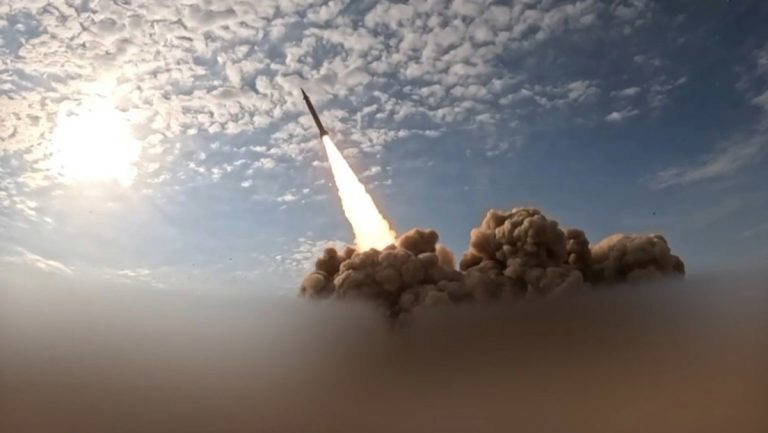
The United States military has said Iran launched seven ballistic missiles toward Kuwait and Bahrain, marking a further escalation of tensions in the Gulf region.
In a statement posted on X, the U.S. Central Command (CENTCOM) said the missiles were fired on Friday and that American forces successfully intercepted six of them. According to the military, the seventh missile failed to reach its intended target.
CENTCOM stated that there were no reported casualties or injuries among U.S. personnel as a result of the incident.
“Six of the seven missiles launched by Iran were successfully intercepted, while the seventh did not reach its intended target,” the command said.
The military also rejected claims that Iranian strikes had damaged the headquarters of the U.S. Fifth Fleet in Bahrain.
“There are currently no reports of harm to U.S. personnel, and Iranian claims of damaging U.S. 5th Fleet headquarters in Bahrain are false,” CENTCOM said in its statement.
The missile launches came just hours after U.S. officials reported that four Iranian “one-way attack” drones had been intercepted and neutralized before reaching their targets.
Bahrain hosts the headquarters of the U.S. Navy’s Fifth Fleet, one of Washington’s most important military installations in the Middle East. Kuwait also hosts significant U.S. military facilities and personnel, making both countries key strategic partners in the region.
The reported missile attack adds to growing concerns about regional security and the possibility of a broader confrontation involving Iran and the United States. Military analysts say attacks directed toward Gulf states could increase tensions and trigger heightened security measures across the region.
Neither Kuwait nor Bahrain immediately reported damage or casualties following the incident. Authorities in both countries have continued monitoring the security situation in coordination with allied forces.
The United States has maintained a significant military presence across the Gulf region for decades, citing the need to protect international shipping routes, support regional allies, and deter threats to stability.
The latest developments come amid heightened tensions involving Iran and Western powers, with concerns growing over potential retaliatory actions and military escalation. Regional governments have repeatedly called for restraint and diplomatic efforts to prevent a wider conflict.
Security experts note that missile interceptions demonstrate the role of integrated air defense systems deployed by the United States and its allies throughout the Gulf. However, they warn that continued exchanges could increase risks to military personnel, civilian populations, and critical infrastructure.
International observers are closely monitoring the situation as governments assess the implications of the missile launches and the broader security environment in the Middle East.
The U.S. military said it remains vigilant and prepared to respond to threats against American personnel and facilities in the region. Meanwhile, diplomatic efforts aimed at reducing tensions are expected to continue as world powers seek to prevent further escalation.
The incident has once again highlighted the fragile security situation in the Gulf and the strategic importance of Bahrain and Kuwait, both of which play key roles in regional defense and international military cooperation.