
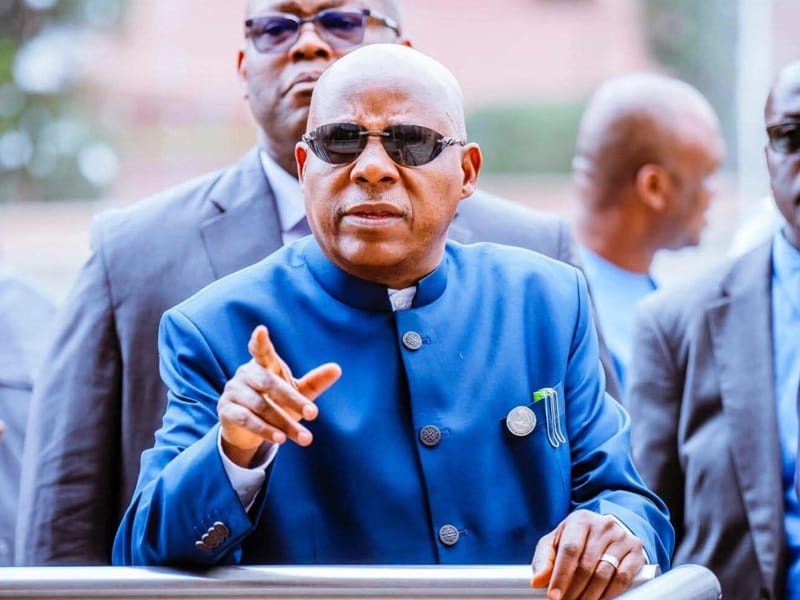
Nigeria’s Vice President has defended the government’s ongoing economic reforms, saying the policies are designed to eliminate multiple levies, reduce poverty, and improve the livelihoods of citizens despite criticism from political opponents.
Speaking during a public engagement, the Vice President said the reforms are part of a broader effort to restructure the economy and create a more efficient system for businesses and households. He acknowledged that the policies have faced strong opposition from some political figures but insisted the changes are necessary for long-term economic stability.
According to the Vice President, one of the key goals of the reforms is to address the problem of overlapping taxes and levies that have placed a heavy burden on businesses across the country. He explained that the government is working to streamline the system so that companies and individuals do not face multiple charges from different agencies.
He said removing redundant levies would help improve the business environment and encourage investment. By simplifying taxation and reducing unnecessary costs, the government believes businesses will have more room to grow and create jobs.
The Vice President also linked the reforms to the broader goal of reducing poverty in the country. He argued that when businesses expand and employment opportunities increase, more people will have access to stable income and improved living conditions.
He noted that the administration is focused on policies that promote economic productivity and support long-term development. According to him, these measures are intended to create a stronger economic foundation that benefits citizens across different sectors.
Criticism of the reforms has come from several political opponents who argue that some of the policy decisions have increased hardship for ordinary Nigerians. They have questioned whether the changes will deliver the promised economic benefits.
Despite those concerns, the Vice President maintained that the government’s approach is aimed at correcting structural challenges that have affected the economy for many years. He said reforms of this scale often face resistance, especially during the early stages before the results become visible.
He stressed that the administration remains committed to implementing policies that encourage economic growth and reduce inefficiencies within the system. He added that the government is also reviewing feedback from stakeholders to ensure the reforms are implemented effectively.
The Vice President emphasized that reducing poverty remains a central objective of the administration’s economic agenda. He said the government is working on programs that support entrepreneurship, improve access to finance, and strengthen key sectors of the economy.
He also pointed out that reforms are intended to create a more transparent and predictable financial environment. This, he said, would help build confidence among investors and contribute to long-term development.
Economic experts have noted that tax reforms and the removal of multiple levies can help reduce the cost of doing business. In many cases, such changes are seen as important steps toward improving competitiveness and attracting investment.
However, analysts also say the success of such reforms often depends on effective implementation and coordination between different levels of government. Ensuring that state and local authorities align with the new policies will be critical to achieving the intended results.
The Vice President concluded by urging Nigerians to remain patient as the reforms continue to take shape. He said the government believes the policies will ultimately lead to a stronger economy, improved livelihoods, and greater opportunities for citizens across the country.