

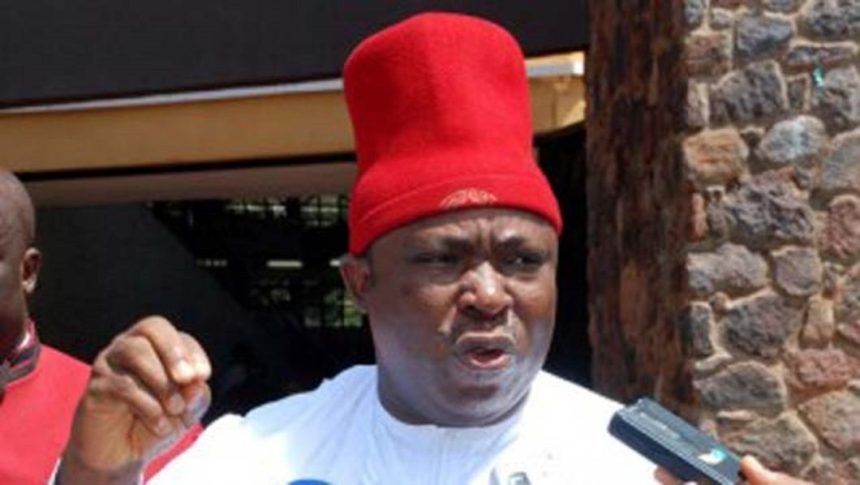
A senior political figure, Umeh, has said that although former Vice President Atiku Abubakar is respected for his contributions to Nigeria’s political development, the time has come for him to step aside from active presidential ambition. The remarks add to ongoing debates within the country’s political space about leadership renewal and generational change.
Umeh made the statement while addressing questions about Atiku’s continued involvement in national politics, particularly his repeated bids for the presidency. He acknowledged Atiku’s long-standing role in shaping political discourse and his experience in governance, but argued that the nation must begin to prioritize new leadership.
According to Umeh, respect for Atiku’s legacy does not preclude the need for transition. He suggested that political systems thrive when opportunities are created for emerging leaders who can bring fresh perspectives to governance and policy-making. His comments reflect a broader sentiment among some political observers who believe that Nigeria’s leadership should evolve to reflect changing realities.
Umeh emphasized that stepping aside should not be seen as a dismissal of Atiku’s achievements. Instead, he framed it as a strategic decision that could strengthen democratic institutions by allowing others to take on greater responsibility. He noted that elder statesmen often play influential advisory roles even after withdrawing from frontline contests.
The statement comes amid continued discussions about the direction of Nigeria’s opposition politics and the search for candidates capable of unifying diverse voter bases. Atiku, a veteran politician and multiple-time presidential candidate, remains a significant figure within these conversations.
Umeh also pointed out that political parties benefit from internal renewal, particularly when they seek to remain competitive in national elections. He argued that encouraging younger or less-established figures to step forward could energize supporters and expand the appeal of political platforms.
While reiterating his respect for Atiku, Umeh maintained that leadership involves recognizing the appropriate moment to make way for others. He suggested that such decisions can enhance a leader’s legacy by demonstrating commitment to the broader national interest rather than personal ambition.
Atiku has not issued a direct response to Umeh’s remarks, but he has previously defended his continued participation in politics, citing his experience and vision for the country. His supporters argue that his track record and national recognition position him as a viable candidate capable of addressing Nigeria’s challenges.
The exchange underscores ongoing tensions within political circles over experience versus renewal. Analysts note that similar debates are taking place across different parties as Nigeria continues to grapple with economic, social, and governance issues.
Observers say that discussions about generational shift are likely to intensify as the country approaches future election cycles. Calls for younger leadership have become more prominent, particularly among youth groups and civil society organizations seeking greater representation in decision-making processes.
At the same time, established politicians like Atiku continue to command significant influence and maintain loyal support bases. This dynamic creates a complex political environment in which both continuity and change are actively contested.
Umeh concluded by urging political stakeholders to focus on building inclusive systems that allow for both experience and innovation. He stressed that the ultimate goal should be strengthening democratic governance and ensuring that leadership reflects the aspirations of the Nigerian people.
The remarks highlight the evolving nature of Nigeria’s political landscape, where questions about succession, legacy, and the future direction of leadership remain central to national discourse.