
Abuja, Nigeria – The Economic and Financial Crimes Commission (EFCC) has recovered assets valued at approximately ₦38.66 billion, including ₦9.4 billion, $21.2 million (about ₦29.26 billion at the official exchange rate), and several landed properties, in an ongoing investigation into the alleged diversion of funds earmarked for the rehabilitation of Nigeria’s state-owned refineries.
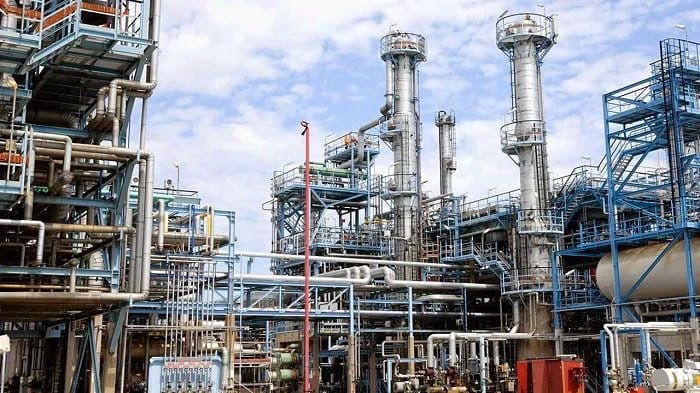
The recoveries form part of one of the most extensive anti-corruption investigations into the management of billions of dollars allocated for the turnaround maintenance of the Port Harcourt, Warri and Kaduna refineries.
Multi-Billion Dollar Contracts Under Investigation
Investigators are probing allegations of criminal conspiracy, diversion of public funds, abuse of office, breach of trust, economic sabotage and money laundering involving officials of the Nigerian National Petroleum Company Limited (NNPCL), its subsidiary NNPC Engineering and Technical Company Limited (NETCO), former and serving refinery managing directors, and major contractors.
Between 2021 and 2023, the Federal Government, through the NNPCL, awarded refinery rehabilitation contracts valued at approximately $2.79 billion. The allocations included about $1.56 billion for the Port Harcourt Refinery, $740.7 million for the Kaduna Refinery, and $492.3 million for the Warri Refinery.
Despite the enormous investment, investigators reportedly found little evidence of significant operational improvements, raising suspicions that substantial portions of the funds were diverted or misappropriated.
Senior Officials Implicated
According to sources familiar with the investigation, the EFCC has interrogated more than 30 current and former NNPCL officials, as well as over 50 officials and contractors connected to the refinery rehabilitation projects.
Among those under investigation is a former Managing Director of the Port Harcourt Refinery, Ahmed Adamu Dikko, who is alleged to have approved payments that violated contractual procedures. Investigators reportedly traced ₦983.9 million, $227,030, and three landed properties to him, assets they say he failed to satisfactorily explain. The properties have been placed under interim forfeiture while prosecutors prepare criminal charges.
Another official, Jimoh Yisawu, is alleged to have approved inflated invoices, payments to unqualified contractors, and contractual mark-ups exceeding $10 million and nearly ₦8 billion. Investigators also linked over ₦1.4 billion and four landed properties to him, all of which have been subjected to interim forfeiture pending prosecution.
Additional Recoveries and Ongoing Probe
Apart from the recovered ₦9.4 billion and $21.2 million, investigators disclosed that an additional $2.32 million was recovered through the Federal Inland Revenue Service (FIRS).
The EFCC is also investigating a separate alleged revenue fraud involving $28.39 million and ₦665 million connected to the management of the Port Harcourt Refining Company, with efforts ongoing to recover the funds.
Refineries Still Underperform
Nigeria’s four state-owned refineries have a combined installed refining capacity of 445,000 barrels per day, yet they have struggled to operate at optimal capacity for decades despite repeated rehabilitation efforts.
The Warri Refinery, which briefly resumed operations in December 2024, shut down in January 2025 due to safety concerns, while the Port Harcourt Refinery was taken offline again in May 2025 for scheduled maintenance.
The Federal Government has continued to pursue technical partners and strategic investors to revive the facilities. In May 2026, the NNPCL announced the signing of a Memorandum of Understanding (MoU) with two Chinese firms to support the completion, operation and possible expansion of the Port Harcourt and Warri refineries.
Investigation Continues
The EFCC said investigations remain ongoing, with additional recoveries and prosecutions expected as more evidence emerges.
As of the time of filing this report, the NNPCL and the officials named in the investigation had not publicly responded to the latest findings. Their reactions are expected to be reflected as they become available.
The development has renewed public calls for greater transparency, accountability and stronger oversight of public infrastructure projects, particularly within Nigeria’s oil and gas sector.