

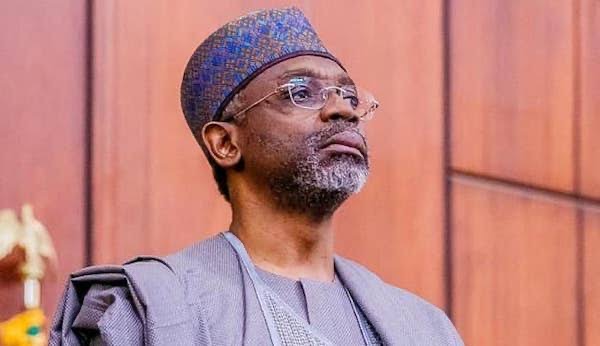
Abuja, Nigeria – Fresh allegations of corruption have sparked nationwide debate after claims emerged linking the Chief of Staff to the President, Femi Gbajabiamila, to an alleged ₦600 million bribery scheme and an ₦11.52 billion kickback arrangement involving a federal government agency.
The allegations, made by Prince Adeyemi, have triggered renewed concerns over transparency, accountability and the management of public funds within the federal government.
According to the claims, Adeyemi alleged that he paid ₦400 million upfront and agreed to pay an additional ₦200 million to secure appointment as head of a federal agency. He further claimed that after assuming office, he was pressured to remit 48 percent of the agency’s ₦24 billion take-off grant—approximately ₦11.52 billion—as kickbacks.
However, Gbajabiamila has strongly denied all the allegations, describing them as false, malicious and politically motivated. He also reportedly maintained that the agency in question does not exist.
The conflicting accounts have raised critical questions about the authenticity of the agency, the budgetary allocation reportedly made to it, and whether due process was followed in its establishment and funding.
Budget Controversy Deepens
Critics argue that if the agency truly does not exist, questions must be answered regarding how a ₦24 billion allocation allegedly found its way into the national budget.
Under Section 80(4) of the Constitution of the Federal Republic of Nigeria, no public funds can be withdrawn from the Consolidated Revenue Fund without legislative approval through an Appropriation Act.
The allegations further claim that the agency had approvals from the Office of the Head of Service, staff recruited into the IPPIS payroll system, and bank accounts allegedly opened with the Central Bank of Nigeria.
If verified, these processes would ordinarily require official documentation and approvals from several government institutions.
Calls for Independent Investigation
The controversy has prompted renewed calls from legal analysts and civil society groups for an independent investigation to determine the true status of the agency, verify the authenticity of the documents being circulated, and establish whether any public officials violated the law.
Observers argue that if the allegations are false, those responsible for making them should be prosecuted under relevant laws governing false accusations and forgery.
Conversely, if the claims are substantiated, anti-corruption agencies may be required to investigate possible offences relating to bribery, abuse of office, procurement violations and diversion of public funds.
Demand for Public Disclosure
Many Nigerians are demanding that the Presidency and relevant government agencies make public all documents relating to the agency, including:
– The legal instrument establishing the agency.
– Certified budget documents showing the ₦24 billion allocation.
– Staff approval records.
– Relevant account-opening documents.
– Appointment records connected to the agency.
Transparency advocates argue that releasing these documents would help clarify the issues and restore public confidence in government institutions.
Awaiting Official Investigation
As public debate continues, no court has established the truthfulness of the allegations, and no criminal findings have been made against any of the parties involved.
The matter remains an allegation, with many Nigerians calling on the appropriate investigative agencies to establish the facts and ensure accountability in accordance with the law.