
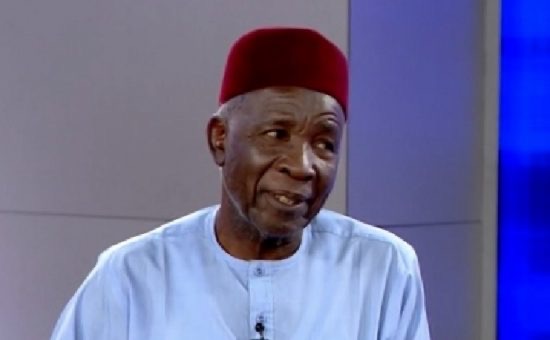
A chieftain of the New Nigeria Peoples Party (NNPP), Buba Galadima, has stated that the National Democratic Coalition (NDC) is moving toward zoning its presidential ticket to southern Nigeria ahead of the next general election. He made the remark while addressing ongoing political alignments and regional considerations shaping party strategies across the country.
Galadima explained that discussions within influential political circles indicate a growing consensus that power rotation remains a key factor in maintaining national balance. According to him, stakeholders are increasingly acknowledging the need to shift the presidency to the South after years of northern leadership.
He noted that while internal negotiations are still ongoing, signals from party insiders suggest that southern aspirants may soon gain stronger backing. This, he said, reflects broader political calculations aimed at preserving unity and addressing concerns about fairness in leadership distribution.
Galadima emphasized that zoning has historically played a stabilizing role in Nigerian politics. He argued that honoring informal agreements on power rotation helps reduce tensions and fosters inclusivity among the country’s diverse regions.
He also pointed out that political parties are carefully assessing public sentiment before finalizing their decisions. According to him, voters are paying closer attention to issues of equity and representation, which could influence electoral outcomes if ignored.
The NNPP chieftain further stated that southern politicians are already positioning themselves in anticipation of the shift. He said consultations, alliances, and grassroots mobilization efforts have intensified in recent months as potential candidates seek to strengthen their chances.
Galadima added that while zoning may guide party decisions, the ultimate choice of candidate will still depend on competence and electability. He stressed that parties cannot afford to overlook the importance of presenting credible candidates who can appeal to a broad national audience.
He also highlighted the role of internal democracy in shaping the final outcome. According to him, transparent primaries and fair competition among aspirants will be crucial in maintaining party cohesion and public trust.
Commenting on the broader political landscape, Galadima observed that multiple parties are likely to adopt similar zoning considerations. He said this could lead to a more competitive environment, particularly among southern contenders vying for national prominence.
He warned, however, that zoning alone cannot address all political challenges. He urged parties to focus equally on policy direction, governance plans, and the ability to tackle pressing national issues such as security, economic stability, and infrastructure development.
Galadima also called on political leaders to prioritize national interest over personal ambition. He said the success of any zoning arrangement depends on the willingness of stakeholders to act in good faith and respect agreed frameworks.
As preparations for the next election cycle continue, his comments add to the ongoing debate about power rotation and regional representation. Political analysts say the issue is likely to remain a central theme in the months ahead.
Observers note that if the NDC formally adopts a southern zoning strategy, it could influence other parties and reshape alliances across the country. This, in turn, may affect candidate selection processes and campaign dynamics nationwide.
While no official announcement has been made, Galadima’s remarks provide insight into the direction of current political discussions. For now, attention remains focused on how parties will balance zoning considerations with the need to present strong and unifying candidates.