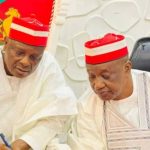


The political future of Senator Ali Ndume is facing uncertainty following an alleged disagreement between Vice President Kashim Shettima and Borno State Governor Babagana Umara Zulum over his potential return to the Senate in 2027. Ndume has represented Borno South in the National Assembly since 2011.
Sources familiar with the situation indicate that the disagreement centers on Ndume’s role within the All Progressives Congress (APC) ahead of the next general elections. The Vice President is reportedly opposed to Ndume seeking another term under the party’s platform.
According to the sources, Shettima is said to view Ndume as overly critical of the current administration. The senator has, at times, expressed dissenting opinions on government policies, which insiders claim has contributed to perceptions of him being uncooperative within party ranks.
As part of an alleged political strategy, Shettima is believed to be backing Abdullahi Musa Askira, the Speaker of the Borno State House of Assembly, as a potential replacement for Ndume in the Borno South senatorial seat. This move is being interpreted as part of a broader effort to reshape political alignments within the state.
Governor Zulum, however, is reportedly resisting this plan. He is said to support Ndume’s bid to return to the Senate, emphasizing the importance of maintaining continuity and stability within the APC structure in Borno State.
Sources suggest that Zulum is concerned that sidelining Ndume could trigger internal divisions within the party. The governor is believed to be prioritizing unity as the state prepares for future political contests.
The reported disagreement between the two leaders is also linked to broader political considerations beyond the senatorial seat. Observers point to possible tensions related to succession planning for the Borno State governorship, with different factions holding varying views on the state’s political future.
While neither Shettima nor Zulum has publicly addressed the claims, the situation has fueled discussions about internal dynamics within the APC in Borno. Party members and political observers are closely monitoring developments as the 2027 elections approach.
Efforts to resolve the differences are said to be ongoing behind the scenes. However, analysts describe the situation as a significant test of influence and party cohesion in the state.
The outcome of the standoff could have wider implications for the APC’s strength in Borno, as well as for the political trajectory of key figures within the party. Ndume’s long-standing presence in the National Assembly adds further weight to the unfolding situation.
As discussions continue, the issue highlights the complexities of internal party politics and the balancing of competing interests ahead of a major electoral cycle.