

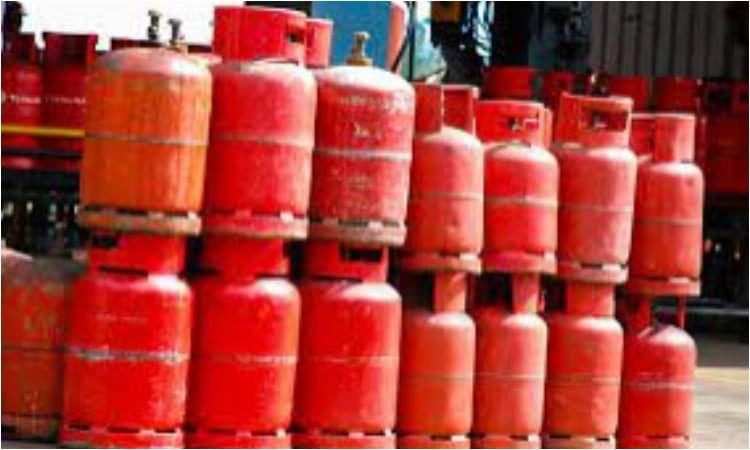
Marketers of Liquefied Petroleum Gas (LPG), commonly known as cooking gas, have attributed the recent spike in prices across Nigeria to increased demand, supply shortages, and seasonal factors, while expressing confidence that prices will decline once market conditions improve.
The explanation was provided by the spokespersons of the Oil and Gas Suppliers Association of Nigeria (NOGASA), Chinedu Ukadike, and the Nigerian Independent Petroleum Company Plc (NIPCO), Taofeek Lawal, in separate interviews.
Their comments come amid growing concern among consumers over the sharp rise in cooking gas prices, particularly in Abuja and surrounding areas, where households have reported significant increases in recent weeks.
According to market reports, the price of cooking gas has risen by between 40 and 66 percent over the last three weeks. LPG, which previously sold for between ₦1,000 and ₦1,200 per kilogramme, is now being sold for between ₦1,400 and ₦2,000 per kilogramme in some locations.
The increase has added pressure to household budgets at a time when many Nigerians are already grappling with rising living costs. With the national minimum wage standing at ₦70,000 and inflation remaining elevated, the price surge has intensified concerns about energy affordability.
Explaining the development, Ukadike said the rainy season traditionally drives up demand for cooking gas because many households can no longer depend on firewood for cooking.
“It’s because of demand now. You know, it’s the rainy season,” he said.
According to him, wet weather conditions reduce access to firewood and other traditional cooking fuels, prompting more households to switch to LPG.
“Once it comes to the rainy season, all firewood goes off. It’s seasonal. That’s the way it works,” he stated.
Ukadike noted that the seasonal increase in demand has placed additional pressure on available supplies, contributing to the current rise in prices. However, he expressed optimism that the situation would stabilize over time.
“It will come down naturally,” he said.
The NOGASA spokesperson explained that market forces would likely correct the imbalance as supply increases and more operators become active in the LPG market.
“There are more gas companies that are also trying to come on board. So, I also believe it will come down,” he added.
He further stated that increased participation from major industry players, including the Dangote Refinery and other suppliers, could help ease supply constraints and reduce prices for consumers.
Similarly, NIPCO spokesperson Taofeek Lawal attributed the price increase primarily to inadequate supply relative to rising demand.
“It is basically a supply issue. There are few products for a large number of customers,” Lawal said.
He explained that the volume of LPG currently available in the market is insufficient to meet the growing number of consumers, resulting in higher prices.
According to Lawal, improving supply remains the most effective solution to the current situation.
“The solution is to improve supply to meet the growing demand,” he said.
Over the past several years, many Nigerian households have increasingly adopted cooking gas as an alternative to firewood and kerosene due to its convenience, efficiency, and environmental benefits. However, frequent price fluctuations have raised concerns about the long-term affordability of LPG for low- and middle-income families.
Industry experts note that demand for cooking gas has continued to grow as government and private-sector initiatives encourage cleaner cooking energy. However, they also point out that supply challenges, infrastructure limitations, and market disruptions can significantly affect pricing.
The latest increase has renewed calls for measures to strengthen domestic gas production, improve distribution networks, and ensure stable supplies across the country.
Despite the current challenges, marketers insist that the price surge is temporary. They maintain that as supply improves and more companies enter the market, competition and increased product availability should help bring prices down in the coming months.
For now, consumers continue to monitor developments closely, hoping for relief from the rising cost of household energy amid broader economic pressures.