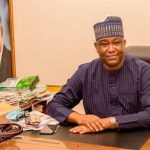

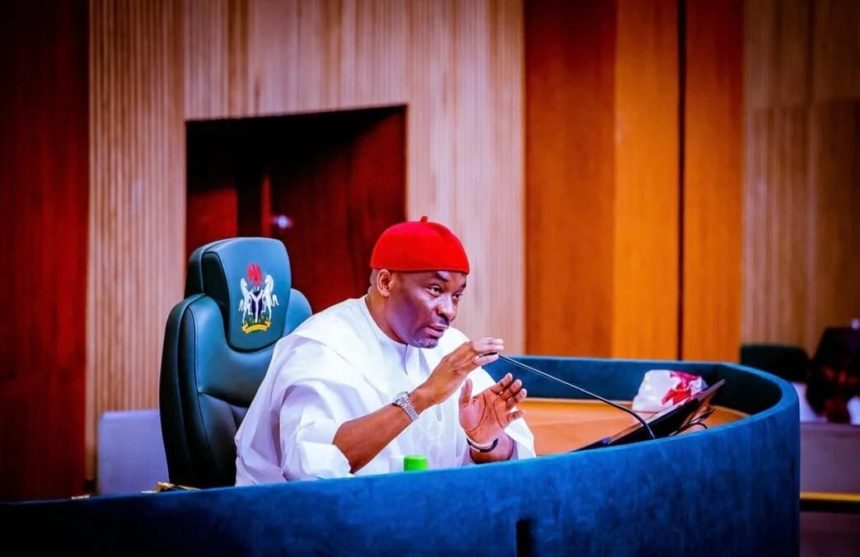
Nigeria’s Deputy Speaker of the House of Representatives, Benjamin Kalu, has called on the Nigerian Law School to dismiss a petition requesting the withdrawal of his law certificate, describing the move as unfounded and without merit.
The petition, whose details have circulated in public discourse, reportedly questions aspects of Kalu’s qualification and admission to the Nigerian Bar. In response, the Deputy Speaker has maintained that he followed due process in obtaining his credentials and has urged the Law School to disregard what he characterizes as a baseless complaint.
Kalu, a trained lawyer and public official, said his academic and professional records are verifiable and in line with the requirements set by relevant authorities. He emphasized that he successfully completed his legal education and was duly called to the Nigerian Bar, meeting all stipulated conditions.
The controversy has drawn attention within legal and political circles, with observers noting the potential implications for public confidence in professional institutions. The Nigerian Law School, which is responsible for training and certifying lawyers in the country, has not publicly disclosed any formal decision regarding the petition.
Supporters of the Deputy Speaker argue that the petition lacks credible evidence and may be politically motivated. They contend that attempts to challenge his qualifications at this stage raise questions about timing and intent, particularly given his current leadership role in the National Assembly.
Others have called for a transparent review process to ensure that the matter is resolved in accordance with established procedures. They stress that maintaining the integrity of the legal profession requires careful and impartial handling of such allegations, regardless of the individual involved.
Legal experts note that petitions concerning professional qualifications are not uncommon, but they must be supported by clear documentation and follow due process. The Nigerian Law School typically reviews such complaints in collaboration with relevant bodies before making any determination.
Kalu has reiterated his confidence in the system, expressing belief that the Law School will uphold fairness and due diligence in addressing the issue. He has also urged the public to avoid drawing conclusions until the matter is formally resolved.
The situation continues to develop as stakeholders await any official response or action from the Nigerian Law School. The outcome could have broader implications for accountability and trust in Nigeria’s legal and educational institutions.