

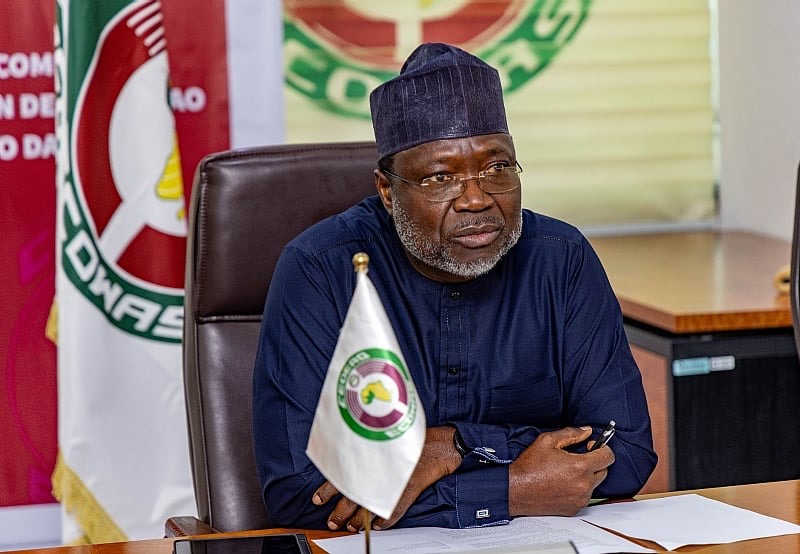
The newly constructed headquarters of the Economic Community of West African States (ECOWAS) in Abuja is being viewed as a symbol of the bloc’s evolving ambitions and its deepening partnership with China. The development highlights growing expectations for stronger political and economic integration across West Africa.
The building, located in Nigeria’s capital, represents a significant milestone for ECOWAS as it seeks to strengthen its institutional presence and coordination among member states. The project was delivered with support from China, underscoring Beijing’s expanding role in infrastructure development across the African continent.
Observers say the headquarters is more than just an administrative complex. It reflects ECOWAS’ intention to position itself as a more cohesive and influential regional body capable of addressing political instability, economic challenges, and security concerns within West Africa.
China’s involvement in the project is part of a broader pattern of cooperation between African institutions and Chinese partners. Over the years, China has funded and constructed several major government and regional buildings across Africa. The ECOWAS headquarters adds to that list, highlighting both the opportunities and concerns associated with such partnerships.
Supporters argue that Chinese-backed projects help bridge critical infrastructure gaps that might otherwise take years to address. They note that the new headquarters provides modern facilities that can improve coordination, policy development, and diplomatic engagement among ECOWAS member states.
However, some analysts have raised questions about long-term financial implications and the extent of reliance on external partners. Concerns about debt sustainability and strategic influence often accompany discussions about Chinese-funded infrastructure across the region.
The new ECOWAS complex also comes at a time when the organisation faces increasing pressure to respond effectively to political developments within member states. In recent years, West Africa has experienced a series of military coups and governance challenges, testing ECOWAS’ ability to enforce democratic norms and maintain regional stability.
There is a growing expectation that a stronger institutional base, supported by improved infrastructure, will enable ECOWAS to respond more decisively to such challenges. The headquarters is seen as a step toward enhancing the organisation’s operational capacity and diplomatic reach.
In addition to political issues, ECOWAS continues to focus on economic integration, including efforts to promote free movement, trade, and a common market among its members. The new building is expected to serve as a central hub for advancing these initiatives and fostering closer cooperation across the region.
The symbolism of the headquarters also extends to Nigeria’s role within ECOWAS. As the host country and one of the region’s largest economies, Nigeria has historically played a leading role in shaping the organisation’s direction. The presence of the new complex in Abuja reinforces that position while also emphasizing the collective aspirations of all member states.
Analysts note that infrastructure projects of this scale often carry both practical and symbolic significance. In the case of ECOWAS, the headquarters represents a commitment to unity, coordination, and shared progress, even as challenges remain.
As West Africa navigates a complex landscape of political transitions, economic pressures, and security threats, the expectations placed on ECOWAS continue to grow. The new headquarters stands as a visible reminder of those expectations and the ongoing efforts to build a more integrated and resilient regional bloc.