

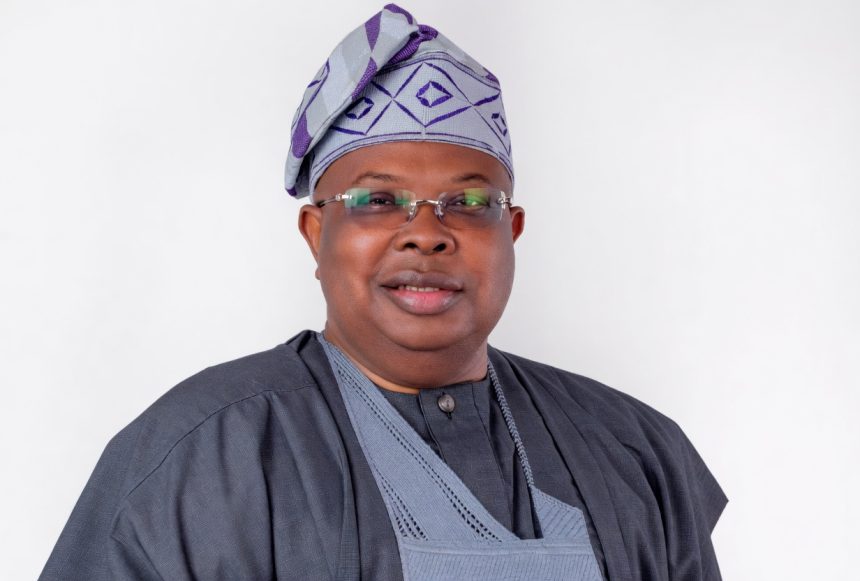
The Nigerian Senate on Wednesday called on the incoming Minister of Power, Joseph Tegbe, to confront what it described as a powerful “generator cabal” that is allegedly profiting from the country’s long-running electricity crisis. Lawmakers also warned him against approving questionable maintenance requests within the Ministry of Power.
The Senate’s position was raised during deliberations focused on the persistent challenges facing Nigeria’s power sector, including unstable electricity supply, rising dependence on fuel-powered generators, and repeated concerns over inefficiencies in power infrastructure management.
Senators said the continued reliance on generators by households and businesses has created an alternative market that benefits certain individuals and groups, while the national grid remains underperforming. They argued that entrenched interests may be resisting reforms that could improve public electricity supply.
Lawmakers specifically urged Tegbe, who is expected to assume office as minister, to take firm steps to address corruption risks and inefficiencies within the sector. They emphasized the need for transparency in procurement processes, particularly in relation to maintenance contracts and infrastructure spending.
During the session, senators warned that the ministry must avoid approving what they described as “dubious maintenance requests,” noting that such expenditures have historically contributed to limited improvements in power generation and distribution despite significant government spending.
The Senate expressed concern that repeated funding for repairs and upgrades has not translated into stable electricity supply for citizens. Members argued that accountability and oversight must be strengthened to ensure that public funds allocated to the power sector deliver measurable results.
Nigeria’s electricity sector has faced long-standing structural problems, including inadequate generation capacity, transmission constraints, and distribution inefficiencies. These challenges have contributed to frequent blackouts and forced many businesses and households to rely heavily on petrol and diesel generators.
Lawmakers noted that the widespread use of generators has become a major feature of economic life in the country, despite ongoing government efforts to improve grid reliability. They said this situation has placed additional financial pressure on citizens and increased operating costs for businesses.
The Senate’s warning to the incoming minister reflects broader concerns about vested interests within the energy ecosystem. Some lawmakers argued that groups benefiting from the sale, maintenance, and fuel supply of generators may have little incentive to support reforms that would stabilize public electricity supply.
Tegbe is expected to oversee policy direction in the power sector at a time when the federal government is seeking to attract investment, expand generation capacity, and improve transmission infrastructure. Stakeholders have repeatedly called for reforms aimed at increasing efficiency and reducing technical losses across the system.
Senators urged the new minister to prioritize accountability and adopt a results-driven approach to managing the sector. They also called for stronger collaboration between federal agencies, private sector operators, and regulatory bodies to address longstanding bottlenecks.
The chamber further stressed the importance of protecting public funds and ensuring that procurement processes within the ministry are transparent and competitive. Lawmakers said effective oversight would be key to restoring public confidence in power sector reforms.
Nigeria continues to face significant electricity supply challenges despite decades of reform initiatives and privatization efforts. The sector remains central to economic growth discussions, with analysts frequently linking stable power supply to industrial development and job creation.
As Tegbe prepares to assume office, expectations remain high regarding his ability to address entrenched inefficiencies and improve service delivery. The Senate’s comments reflect growing pressure on the government to deliver more reliable electricity to citizens while reducing dependence on alternative power sources.
The call to confront alleged vested interests in the generator market underscores ongoing debates about the future structure of Nigeria’s energy economy and the need for sustainable solutions to its electricity crisis.